
Cosmetic Gynaecology in Nellore | Vaginal Tightening & Labiaplasty
Explore cosmetic gynaecology in Nellore, including vaginal tightening and labiaplasty. Consult Dr. Rohini for personalised, confidential care.
Women may have questions about changes in their intimate anatomy following childbirth, ageing, hormonal changes or other life experiences. Concerns about vaginal laxity, the appearance of the labia, discomfort during physical activities or changes in sexual comfort can sometimes affect confidence and quality of life.
At Dr. Rohini’s Gynaec, Infertility and Maternity Clinic, cosmetic gynaecology in Nellore begins with a personalised consultation to understand your intimate health concerns. Whether you have questions about labiaplasty, vaginal laxity or changes after childbirth, a gynaecological assessment can help you understand appropriate treatment options.
Vaginal tightening and labiaplasty are different procedures and are not suitable for everyone. A gynaecological consultation helps identify the underlying concern, explain available options, discuss potential risks and determine whether treatment is appropriate.

🔬 What Is Cosmetic Gynaecology?
Cosmetic gynaecology is a broad term used for procedures intended to address selected concerns involving the appearance or function of the female genital area.
Some women seek assessment because of discomfort, changes after childbirth, irritation during activities or concerns about their intimate anatomy. Others have questions about vaginal laxity or the appearance of their labia.
It is important to understand that genital anatomy varies naturally between individuals. Differences in the size, shape, colour and symmetry of the labia are common and do not necessarily indicate a medical problem.
Treatment should be considered only after understanding the patient’s concerns, examining relevant symptoms and discussing the evidence, limitations and risks of the proposed intervention.
Vaginal Tightening: What Does It Mean?
Vaginal tightening is a general term used to describe treatments intended to address a sensation of vaginal laxity or selected changes in vaginal support.
Some women notice changes after vaginal childbirth, particularly when pelvic floor muscles have been stretched or injured. However, the sensation of laxity does not always mean that the vagina requires tightening.
When should you consult a gynaecologist?
Consider an assessment if you experience:
- A persistent sensation of vaginal laxity that concerns you.
- Reduced pelvic floor strength or difficulty coordinating these muscles.
- A vaginal bulge, pressure or heaviness that could indicate pelvic organ prolapse.
- Urinary leakage when coughing, sneezing, exercising or lifting.
- Vaginal dryness, pain during intercourse or discomfort after childbirth.
- Ongoing concerns about intimate comfort or sexual wellbeing.
These symptoms can have different causes. Pelvic floor dysfunction, vaginal dryness, prolapse and other gynaecological conditions may require different approaches rather than a cosmetic procedure.
Treatment options for vaginal laxity
Treatment depends on the clinical findings and the patient’s goals.
Pelvic floor muscle training: Properly performed pelvic floor exercises may improve muscle strength and help some women with urinary leakage and other pelvic floor symptoms. A pelvic floor physiotherapist may help when appropriate.
Treatment of underlying conditions: Vaginal dryness, menopausal tissue changes, pelvic floor dysfunction and prolapse should be assessed and managed according to the cause.
Procedures: Surgical or device-based treatments may be discussed in selected circumstances. The available evidence, likely benefits, limitations, costs and potential complications should be explained before a decision is made.
Laser and radiofrequency treatments marketed for vaginal tightening or rejuvenation should not automatically be assumed to be effective or risk-free. Their evidence, approved indications and safety limitations need careful consideration.
What Is Labiaplasty?
Labiaplasty is a surgical procedure that changes the size or shape of the labia, most commonly the labia minora, which are the inner folds of skin around the vaginal opening.
Some women consider labiaplasty because enlarged or asymmetrical labial tissue causes repeated rubbing, discomfort during cycling or exercise, irritation from clothing or discomfort during certain activities. Others have concerns about appearance.
Natural variation in labial size and shape is common. There is no single appearance that all healthy labia must have, and surgery is not medically necessary simply because the labia look different from photographs or idealised images.
When might labiaplasty be considered?
A gynaecological assessment may be appropriate when a woman experiences:
- Persistent friction or irritation related to labial tissue.
- Discomfort during exercise or other physical activities.
- Repeated difficulty with clothing because of local discomfort.
- Specific concerns about labial anatomy that she wishes to discuss.
- Symptoms that persist despite suitable non-surgical measures.
The consultation should establish whether the symptoms are actually related to the labia and whether another condition, such as dermatitis, infection or vulval pain, needs attention first.
How is labiaplasty performed?
Labiaplasty is performed by surgically modifying selected labial tissue. The technique, anaesthesia, setting and recovery plan depend on the individual case and the clinician’s assessment.
Before surgery, the patient should understand the intended changes and the limits of what surgery can achieve. Important risks include bleeding, infection, scarring, wound separation, asymmetry, changes in sensation, persistent pain and dissatisfaction with the result.
Surgery should not be undertaken without informed consent and a clear discussion of alternatives and recovery requirements.
What Causes Changes in Vaginal or Labial Anatomy?
Changes or concerns may be associated with several factors, including:
- Pregnancy and vaginal childbirth.
- Pelvic floor muscle weakness or injury.
- Natural anatomical variation and asymmetry.
- Age-related changes in tissue elasticity.
- Hormonal changes, including those associated with menopause.
- Skin irritation or other vulval conditions that cause discomfort.
- Pelvic organ prolapse or other pelvic floor disorders.
Not every change requires treatment. The first step is to determine whether the concern is anatomical, muscular, hormonal, dermatological or related to another gynaecological condition.
How Is Cosmetic Gynaecology Evaluated?
A consultation begins with a discussion of symptoms, concerns and expectations. An intimate examination is not automatically required for every question, but may be recommended when it is clinically relevant and the patient gives consent.
The assessment may include:
- Medical history: Previous pregnancies, childbirth, surgeries, medical conditions, medications and relevant hormonal changes.
- Symptoms and goals: The nature of the concern, when it began, its effect on daily activities and what the patient hopes to address.
- Clinical examination: When appropriate and with informed consent, examination may help assess the labia, vaginal tissues, pelvic floor or possible underlying conditions.
- Further investigations: Tests are considered only when indicated by the symptoms or examination. Routine blood tests or imaging are not necessary for every cosmetic gynaecology consultation.
- Individualised discussion: Review of conservative measures, medical treatment where relevant, procedural options, risks and expected recovery.
Patients should have the opportunity to ask questions, decline an examination or request that the consultation pause at any time.
Teenage Girls Health Care in Nellore | Dr. Rohini Gynecologist
Treatment Options: Surgical and Non-Surgical Approaches
The right approach depends on the reason for seeking care.
Non-surgical management
Non-surgical measures may be sufficient for many concerns.
- Pelvic floor muscle training: May help improve pelvic floor function and selected symptoms.
- Vaginal moisturisers or lubricants: May help with dryness and friction-related discomfort.
- Treatment of vulval skin conditions: Appropriate treatment may reduce irritation, itching or pain.
- Hormonal treatment where indicated: Selected patients with menopausal genitourinary symptoms may benefit from appropriate treatment following an individual medical assessment.
- Pelvic floor physiotherapy: May be helpful for selected muscle-related symptoms.
These options address specific conditions rather than changing genital appearance in every case.
Surgical management
Surgical treatment may be discussed when a clearly identified concern is causing persistent symptoms, the potential benefits justify the risks, and the patient has realistic expectations.
Labiaplasty is one possible option for selected labial concerns. Other operations may be appropriate for specific pelvic floor conditions, but reconstructive or prolapse surgery should be distinguished from procedures performed solely for cosmetic purposes.
A procedure should never be presented as necessary simply to achieve a particular appearance or to meet a partner’s expectations.
Important considerations before choosing a procedure
Before proceeding, patients should discuss:
- The specific concern the procedure is intended to address.
- Whether non-surgical alternatives are suitable.
- The quality of evidence supporting the proposed treatment.
- Potential complications and the possibility of an unsatisfactory result.
- Anaesthesia, recovery time, follow-up and costs.
- Effects on sensation, comfort and sexual function.
- Future pregnancy plans, when relevant.
No procedure can guarantee a particular cosmetic or functional outcome.
My Clinical Approach to Cosmetic Gynaecology
At Dr. Rohini’s Gynaec, Infertility and Maternity Clinic in Nellore, the consultation focuses on understanding each woman’s concerns without judgement or pressure to undergo treatment.
As an obstetrician and gynaecologist with 15 years of experience, I believe that intimate health concerns deserve careful assessment, privacy and clear communication.
My approach includes:
- Listening carefully to the patient’s symptoms and expectations.
- Assessing whether there is an underlying medical condition.
- Explaining normal anatomical variation and available treatment choices.
- Discussing conservative management before considering an invasive procedure where appropriate.
- Reviewing potential risks, limitations and recovery requirements.
- Considering future pregnancy plans and individual circumstances.
- Supporting an informed decision without unnecessary pressure.
The aim is to help each patient make a medically informed choice that reflects her health needs and personal preferences.

What to Expect During Your Consultation
Your consultation may involve the following steps:
- Discuss your concerns: Explain whether you are experiencing discomfort, vaginal laxity, irritation or concerns about labial appearance.
- Review your history: Discuss childbirth, previous procedures, medications and relevant medical conditions.
- Assessment if needed: A clinical examination may be recommended when it can help clarify the cause of your symptoms.
- Understand the findings: Discuss whether the concern is related to anatomy, pelvic floor function, hormonal changes or another condition.
- Review your options: Consider non-surgical care and, where appropriate, procedural or surgical management.
- Make an informed decision: Allow time to consider the benefits, risks, alternatives and costs.
- Plan follow-up: If treatment is undertaken, follow-up will depend on the treatment and individual needs.
You can ask questions about privacy, consent, recovery and any concerns before deciding on further assessment or treatment.
Women considering cosmetic gynaecology in Nellore can discuss their concerns about labial anatomy, vaginal comfort and changes following childbirth. Treatment recommendations depend on individual symptoms, clinical findings, medical history and personal preferences.
Laparoscopic Gynecologist in Nellore | Dr. Rohini
Cosmetic Gynaecology Consultation in Nellore and Nearby Areas
Women from Nellore and surrounding areas, including Gudur, Kovur and Kavali, may seek a gynaecological consultation for concerns involving vaginal comfort, labial anatomy or changes after childbirth.
At Dr. Rohini’s Gynaec, Infertility and Maternity Clinic, patients can discuss their concerns and learn about appropriate options based on their individual circumstances.
A consultation does not mean that you must undergo a procedure. If conservative management or treatment of another medical condition is more appropriate, that should be considered as part of the discussion.
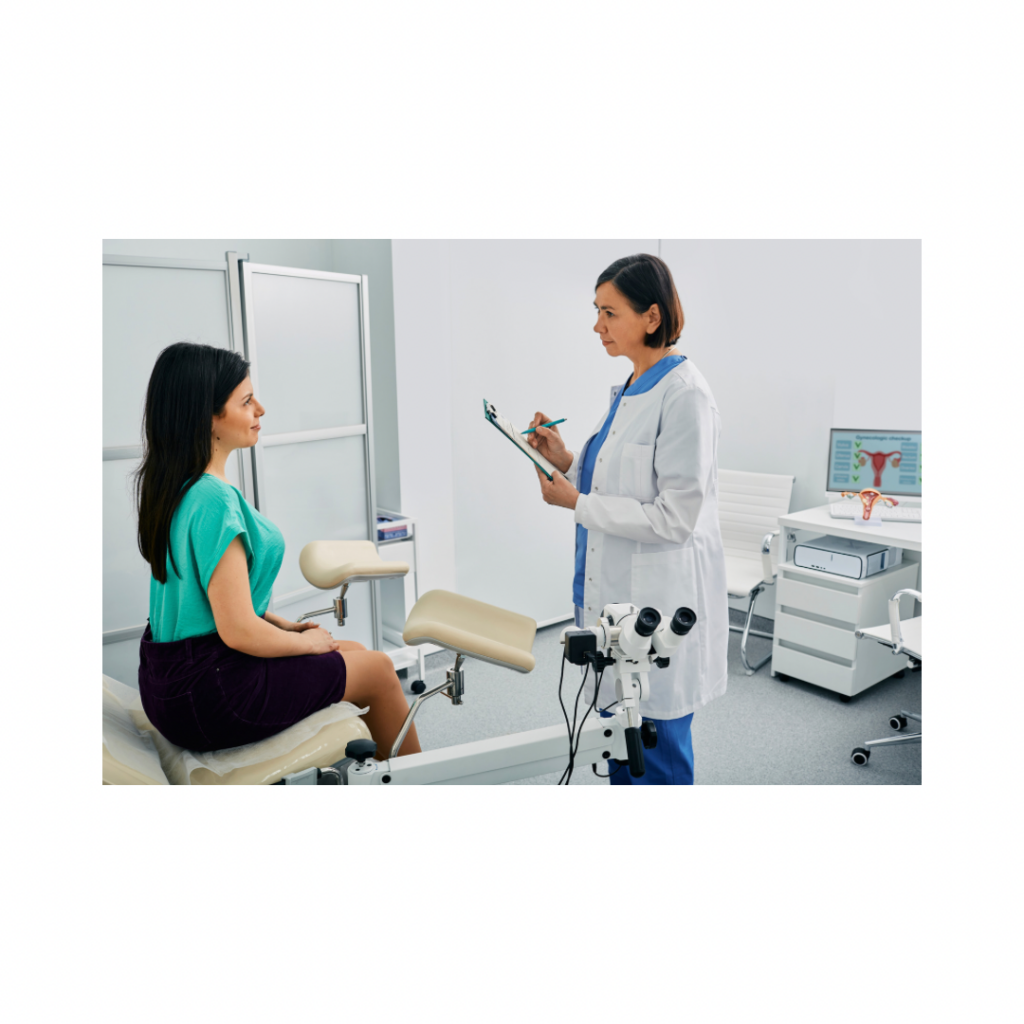
Gynecology Clinic in Nellore | Women’s Health Care – Dr. Rohini
⚠️ Important Note
Cosmetic gynaecology is not mandatory for anyone.
We believe in medical necessity, informed consent, and emotional well-being over cosmetic trends.
Is Cosmetic Gynaecology Right for You?
Cosmetic gynaecology in Nellore may be discussed with a qualified gynaecologist if you have persistent intimate discomfort or questions about available procedures. Not every concern requires surgery, and normal anatomical variations do not automatically need treatment. A confidential consultation can help you understand the benefits, limitations, risks and alternatives before making a decision.
What is cosmetic gynaecology?
Cosmetic gynaecology includes procedures that improve the appearance and function of intimate areas, such as vaginal tightening, labiaplasty, and rejuvenation treatments.
Is cosmetic gynaecology safe?
Yes, cosmetic gynaecology procedures are safe when performed by an experienced specialist using advanced techniques and proper medical standards.
What treatments are available in cosmetic gynaecology?
Common treatments include:
Vaginal tightening
Labiaplasty
Vaginal rejuvenation
Scar correction
Post-delivery restoration
Who can benefit from cosmetic gynaecology?
Women experiencing:
Vaginal laxity after childbirth
Discomfort or aesthetic concerns
Reduced confidence
can benefit from these treatments.
Is cosmetic gynaecology painful?
Most procedures are minimally invasive and done with proper anesthesia, resulting in minimal discomfort and quick recovery.
How long does recovery take?
Recovery time depends on the procedure but is usually short, with most women returning to normal activities within a few days to weeks.
Are results permanent?
Results are long-lasting, but factors like aging and childbirth may affect outcomes over time.
Is consultation confidential?
Yes, all consultations are completely private and handled with sensitivity and confidentiality.
How do I choose the right cosmetic gynecologist?
Choose a qualified and experienced gynecologist who offers safe, personalized care and clear guidance about procedures.
Where can I get cosmetic gynaecology treatment in Nellore?
You can consult Dr. Rohini for expert cosmetic gynaecology in Nellore with advanced techniques and patient-focused care.
📞 Book a Confidential Consultation in Nellore
If you are considering cosmetic gynaecology in Nellore, contact Dr. Rohini’s Gynaec, Infertility and Maternity Clinic to arrange a consultation and discuss your concerns.
comfort, dignity, and health matter.
📍 Visit Dr. Rohini’s Gynecology, Infertility and Maternity Clinic – Shine Hospital, Nellore
📱 Call 9490880960 for a private appointment.
Further Reading: Reliable Medical Information
For additional information about labiaplasty, normal genital anatomy and the risks of cosmetic gynaecological procedures, patients can consult these medical resources: