
Gynecology Clinic in Nellore for Comprehensive Women’s Health Care
Women can experience different health concerns at different stages of life—from painful or irregular periods and PCOS to pelvic pain, infections, fertility concerns, pregnancy-related problems and menopause.
At Dr. Rohini’s Gynaec, Infertility and Maternity Clinic in Nellore, gynecological care begins with understanding your symptoms, medical history and individual concerns before recommending investigations or treatment.
Dr. Rohini is an experienced Gynecologist and Obstetrician with 15 years of clinical experience, providing personalized care for women’s health, menstrual disorders, PCOS, infertility, pregnancy, menopause and gynecological conditions.
The aim is not to recommend the same treatment to every woman. Your age, symptoms, reproductive plans, medical history and examination findings are considered when developing an appropriate treatment plan.
If you have a new, persistent or concerning gynecological symptom, a consultation can help determine whether it needs observation, medical treatment, further investigation or a procedure.

Table of Contents
Women’s Health Problems We Evaluate
At Dr. Rohini’s clinic, women may seek consultation for a wide range of gynecological concerns, including:
Menstrual Problems
- Irregular periods
- Painful periods
- Heavy menstrual bleeding
- Missed periods
- Changes in menstrual pattern
- Bleeding between periods
Hormonal and PCOS-Related Concerns
- PCOS/PCOD
- Irregular ovulation
- Hormonal symptoms
- Acne or excessive hair growth associated with hormonal conditions
- Fertility concerns related to ovulatory problems
Pelvic and Reproductive Health
- Pelvic pain
- Ovarian cysts
- Fibroids
- Endometriosis
- Abnormal uterine bleeding
- Vaginal infections
- Abnormal vaginal discharge
Reproductive and Pregnancy-Related Care
- Preconception counselling
- Infertility evaluation
- Early pregnancy concerns
- Antenatal care
- High-risk pregnancy management
Women’s Health Through Different Life Stages
- Teenage gynecological concerns
- Reproductive-age women’s health
- Perimenopause
- Menopause
- Preventive women’s health
Not every symptom requires extensive testing or treatment. The appropriate approach depends on the individual clinical situation.
When Should You Consult a Gynecologist?
You do not need to wait until a problem becomes severe before seeking medical advice.
Consider consulting a gynecologist if you experience:
- Periods that have become unusually heavy or painful
- Periods that are persistently irregular or absent
- Bleeding between periods or after sexual intercourse
- Persistent pelvic or lower abdominal pain
- Unusual vaginal discharge, itching or unpleasant odour
- Pain during sexual intercourse
- Recurrent vaginal or reproductive tract symptoms
- Difficulty becoming pregnant
- Symptoms associated with PCOS or hormonal changes
- New symptoms during perimenopause or menopause
- Concerns about contraception or pregnancy planning
- Any gynecological symptom that is persistent, recurrent or worrying you
Sudden severe pelvic pain, very heavy bleeding, fainting, severe weakness or other acute symptoms may require urgent medical assessment rather than a routine appointment.
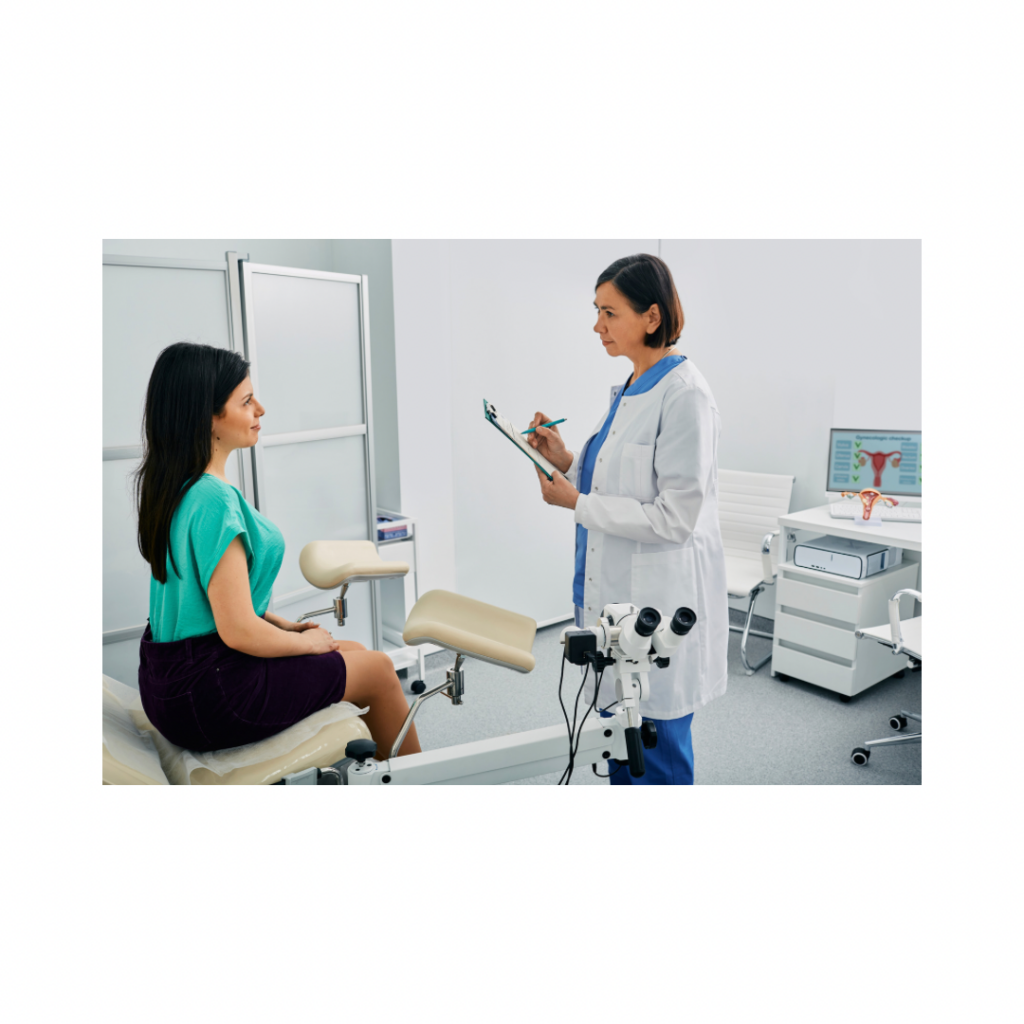
Common Causes of Gynecological Symptoms
A particular symptom can have several possible causes.
For example, irregular periods may occur because of PCOS, thyroid disorders, changes in weight, stress, certain medications or other hormonal or reproductive conditions.
Heavy or painful periods may be associated with conditions such as fibroids, adenomyosis, endometriosis or other causes of abnormal uterine bleeding.
Pelvic pain can also have multiple causes, including gynecological, urinary or gastrointestinal conditions.
This is why it is important not to assume that every symptom is caused by PCOS, hormonal imbalance or another commonly discussed condition.
A proper medical history and clinical assessment help determine what needs to be investigated.
How Are Gynecological Problems Diagnosed?
Diagnosis begins with listening carefully to your symptoms and understanding your medical history.
Depending on your concerns, evaluation may include:
1. Medical History
Your doctor may ask about:
- Menstrual cycle pattern
- Duration and severity of symptoms
- Previous pregnancies
- Fertility history
- Previous surgeries
- Medical conditions
- Current medications
- Relevant family history
2. Clinical Examination
A physical or gynecological examination may be recommended when clinically appropriate.
3. Blood Tests
Blood investigations may be advised when there is a reason to evaluate conditions such as anemia, thyroid disorders, hormonal abnormalities or other medical problems.
4. Ultrasound or Other Imaging
An ultrasound may help evaluate the uterus, ovaries and pelvis when symptoms suggest that imaging would be useful.
Other investigations may occasionally be required depending on the suspected condition.
You may not need every test. Investigations are selected according to your symptoms and clinical findings.
Treatment Options for Women’s Health Problems
Treatment depends on the diagnosis rather than simply the symptom.
Depending on the condition, treatment may include:
Medical Management
Depending on the diagnosis, medications may be used to manage:
- Pain
- Heavy menstrual bleeding
- Hormonal or menstrual irregularities
- Certain infections
- PCOS-related symptoms
- Menopause-related symptoms
Medication choices depend on your age, medical history, pregnancy plans and other individual factors.
Lifestyle and Preventive Care
Lifestyle measures can form an important part of managing certain conditions, particularly PCOS and some metabolic or hormonal concerns.
Advice may involve:
- Physical activity
- Balanced nutrition
- Weight management where appropriate
- Sleep and stress management
- Preventive health screening
Lifestyle changes are not a substitute for medical treatment when a condition requires specific therapy.
Procedures
Some gynecological conditions may require a procedure when medication is insufficient, inappropriate or unlikely to address the underlying problem.
The procedure recommended depends on the diagnosis and individual circumstances.
Surgery
Surgery is considered only when it is clinically appropriate.
Depending on the condition, gynecological surgery may include minimally invasive laparoscopic procedures or other surgical approaches.
The decision should consider:
- Diagnosis
- Severity of symptoms
- Age
- Previous treatment
- Fertility plans
- Medical history
- Benefits and potential risks of treatment

My Clinical Approach to Gynecological Care
Dr. Rohini’s approach is centered on careful evaluation, clear communication and individualized treatment.
During consultation, the focus is on understanding what is troubling you rather than treating a diagnosis in isolation.
Treatment discussions may include:
- What may be causing your symptoms
- Whether investigations are necessary
- Available treatment options
- Benefits and potential risks
- Whether conservative treatment is reasonable
- Fertility and future pregnancy plans when relevant
- When a procedure or surgery may be appropriate
- Follow-up requirements
The goal is to help each patient understand her condition and participate in decisions about her care.
When May Gynecological Surgery Be Considered?
Many gynecological conditions can initially be managed without surgery.
However, surgery may be considered when:
- Symptoms are persistent or significantly affecting quality of life
- A structural condition requires surgical treatment
- Medical treatment has not provided adequate relief
- There is a condition for which surgery is an appropriate treatment option
- Fertility or reproductive goals need to be considered alongside treatment
- The risks of continuing conservative management outweigh the potential benefits
Where minimally invasive surgery is appropriate, laparoscopic surgery may be discussed.
Surgery is not automatically required simply because a condition such as a fibroid or ovarian cyst is detected.
The decision should be based on the complete clinical picture.
Women’s Health Care for Patients in Nellore and Nearby Areas
Dr. Rohini’s Gynaec, Infertility and Maternity Clinic is located in Nellore, Andhra Pradesh, and provides gynecological care for women with a range of menstrual, hormonal, reproductive and women’s health concerns.
Women travelling from nearby areas such as Gudur, Kovur and Kavali may seek consultation in Nellore when they require evaluation or ongoing gynecological care.
For patients who need continued treatment or follow-up, continuity of care can be particularly important.
The focus is on providing appropriate medical evaluation rather than encouraging unnecessary visits, investigations or treatment.
What Can You Expect During Your Consultation?
Your consultation generally follows a straightforward process.
Step 1 — Discuss Your Concerns
You can explain your symptoms, concerns and what you would like help with.
Step 2 — Review Your Medical History
Your menstrual, reproductive, medical and surgical history may be reviewed depending on your concern.
Step 3 — Examination or Investigations
If required, your doctor may recommend an examination, ultrasound or selected laboratory investigations.
Step 4 — Understand the Diagnosis
The findings are discussed with you in understandable language.
Step 5 — Discuss Treatment Options
Depending on your diagnosis, you may be offered medical management, lifestyle measures, further evaluation, a procedure or surgery where appropriate.
Step 6 — Create an Individualized Plan
Your treatment plan is based on your condition, symptoms, health needs and reproductive goals.
Step 7 — Follow-Up
Follow-up is recommended when monitoring, medication adjustment, pregnancy care or further treatment is required.

Frequntly Asking Questions
When should I visit a gynecology clinic?
You should visit a gynecology clinic if you have irregular periods, severe pain during periods, abnormal discharge, pregnancy concerns, or any women’s health issues. Early consultation helps prevent complications.
What services are offered at your gynecology clinic in Nellore?
At Dr. Rohini’s Gynecology Clinic in Nellore, we provide menstrual problem treatment, PCOS care, infertility evaluation, pregnancy care, high-risk pregnancy management, and general women’s health services.
Are irregular periods a serious problem?
Irregular periods may indicate hormonal imbalance, PCOS, thyroid issues, or stress. Proper evaluation helps identify the cause and provide effective treatment.
Is treatment for gynecological problems safe?
Yes. Most gynecological conditions can be treated safely with medicines, lifestyle changes, or minimally invasive procedures depending on the condition.
Do I need regular gynecological check-ups?
Yes. Regular check-ups help detect problems early and maintain overall reproductive health, even if you don’t have symptoms.
Can PCOS be treated?
Yes. PCOS is manageable with proper treatment, lifestyle changes, and medical support. Many women lead healthy lives and conceive successfully with treatment.
Why choose Dr. Rohini’s gynecology clinic in Nellore?
Dr. Rohini provides personalized care, accurate diagnosis, and ethical treatment with a focus on simple and effective solutions for women’s health problems.
Is it normal to have white discharge?
Mild white discharge can be normal, but if it is associated with itching, foul smell, or discomfort, it requires medical evaluation.
Which is the best gynecology clinic in Nellore?
The best gynecology clinic is one that offers accurate diagnosis, personalized care, and ethical treatment. At Dr. Rohini’s Clinic, we focus on simple and effective solutions for women’s health problems.
Trusted Women’s Health Resources
For additional patient education, you may also find the following trusted medical resources helpful:
- Women’s Health Information – NHS: General information about periods, menopause, pelvic health, reproductive health and other women’s health concerns. NHS Women’s Health Information
- Period Problems – NHS: Information about painful, heavy and irregular periods and when medical evaluation may be appropriate. NHS Period Problems
- Pelvic Pain – NHS: Patient information about possible causes of pelvic pain and when to seek medical advice. NHS Pelvic Pain Information
- Menopause and Perimenopause – NHS: Information about common symptoms and changes that can occur during perimenopause and menopause. NHS Menopause and Perimenopause Information
These resources are for general education and do not replace an individual consultation with a qualified healthcare professional.
Book a Gynecology Consultation in Nellore
If you have persistent menstrual problems, pelvic pain, abnormal bleeding, PCOS-related concerns, vaginal symptoms, fertility concerns or another women’s health issue, consider arranging a consultation for appropriate evaluation.
Dr. Rohini’s Gynaec, Infertility and Maternity Clinic
Shine Hospital, Nellore, Andhra Pradesh
Call for appointments: 9490880960
Your symptoms may have several possible causes. A consultation can help determine what evaluation or treatment, if any, is appropriate for you.