

Why Are Period Cramps Getting Worse With Age?
Introduction: When Period Pain Starts Changing, Don’t Simply Blame Age
“Doctor, my periods were manageable when I was younger. Why have my cramps become so painful now?”
This is a question many women ask during gynecology consultations.
Some menstrual cramps are a normal part of menstruation. The uterus naturally contracts during a period, and chemicals called prostaglandins contribute to these contractions and the associated pain.
But there is an important distinction:
Period pain that is newly severe, progressively worsening, lasting longer than before, or accompanied by heavy bleeding or other symptoms deserves evaluation.
Getting older does not automatically mean your periods should become more painful.
In fact, typical primary period pain often improves with age for many women. When pain progressively becomes worse, doctors consider whether there could be an underlying pelvic condition causing secondary dysmenorrhea.
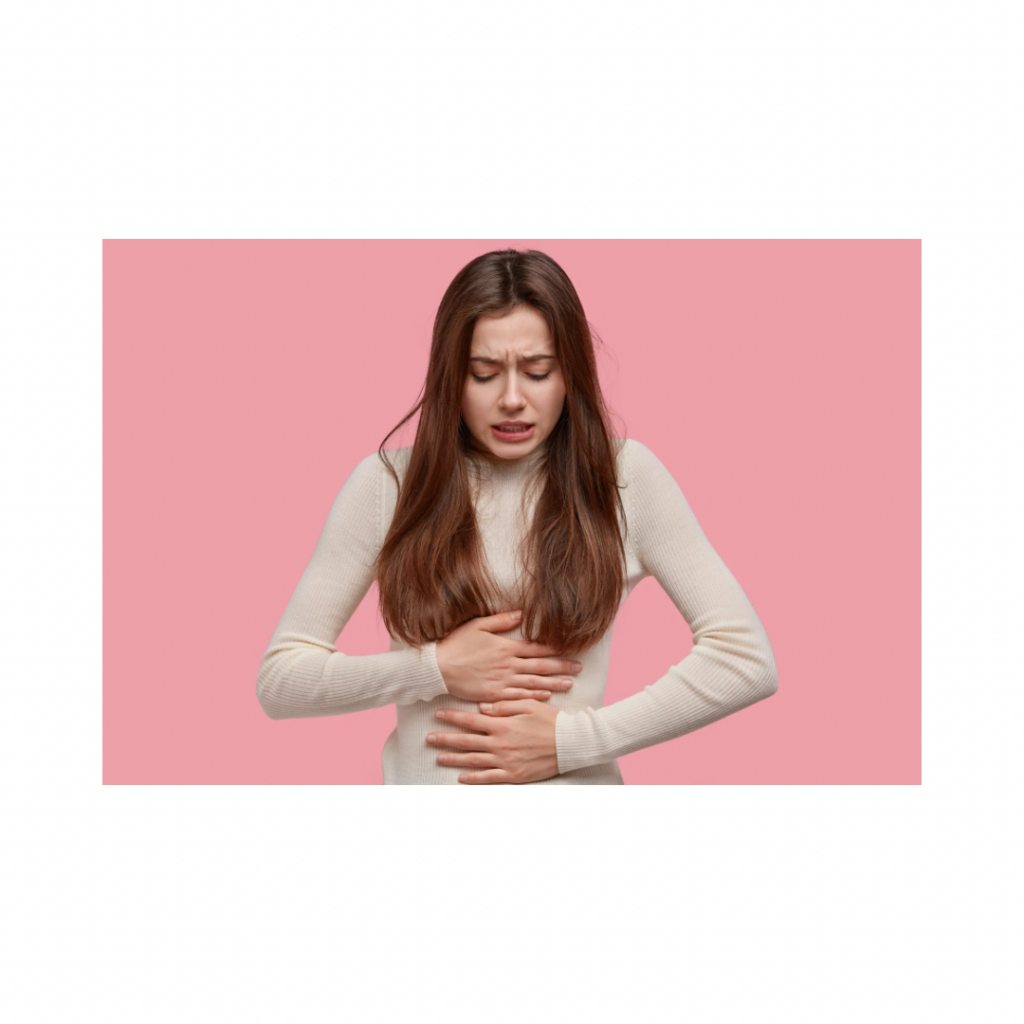
What Is Period Pain?
Medical professionals call painful periods dysmenorrhea.
Typical period cramps usually occur because the uterus contracts during menstruation. Prostaglandins play an important role in these contractions.
For many women, the pain is most noticeable around the beginning of the period and improves within the first few days.
The problem is when the pattern changes.
For example:
- Your periods were previously comfortable but have become increasingly painful.
- Pain begins several days before your period.
- Pain continues after your period has finished.
- Pain is interfering with work, sleep or normal activities.
- You have developed heavier periods.
- You experience pain during sex.
- You have pain while passing stools or urine during your period.
- You are having difficulty becoming pregnant.
These features can suggest that something other than ordinary menstrual cramping may be contributing to the pain.
Why Are My Period Cramps Getting Worse With Age?
The short answer is:
Worsening period pain with age is not necessarily caused by ageing itself. It may indicate a new or progressive gynecological condition.
One important distinction doctors make is between:
Primary dysmenorrhea
Pain occurs without an underlying pelvic disease and often begins relatively early after menstruation starts.
Secondary dysmenorrhea
Pain is associated with an underlying gynecological condition.
Secondary dysmenorrhea tends to develop later or change progressively and may become worse over time.
Possible causes include:
- Endometriosis
- Adenomyosis
- Fibroids
- Ovarian cysts
- Pelvic inflammatory disease
- Other pelvic conditions
This is why I would not recommend simply accepting increasingly severe cramps as “part of getting older.”
1. Endometriosis
Endometriosis is one of the important causes of progressively worsening period pain.
It occurs when tissue similar to the lining of the uterus grows outside the uterus.
This tissue responds to hormonal changes during the menstrual cycle and can cause inflammation, pain and sometimes scar tissue formation.
Symptoms that may suggest endometriosis include:
- Increasingly painful periods
- Pelvic pain before or during periods
- Pain during or after sexual intercourse
- Pain during bowel movements, especially during periods
- Pain while passing urine during periods
- Chronic pelvic pain
- Heavy menstrual bleeding
- Difficulty becoming pregnant
A particularly important clinical clue is when period pain starts affecting your life more and more over time.
ACOG’s current 2026 guidance emphasizes recognizing symptoms and reducing delays in evaluation and diagnosis of endometriosis.
An important point
A normal ultrasound does not necessarily rule out endometriosis.
Some forms of endometriosis may not be visible on routine imaging. Your symptoms and clinical history remain important when deciding whether further evaluation is needed.
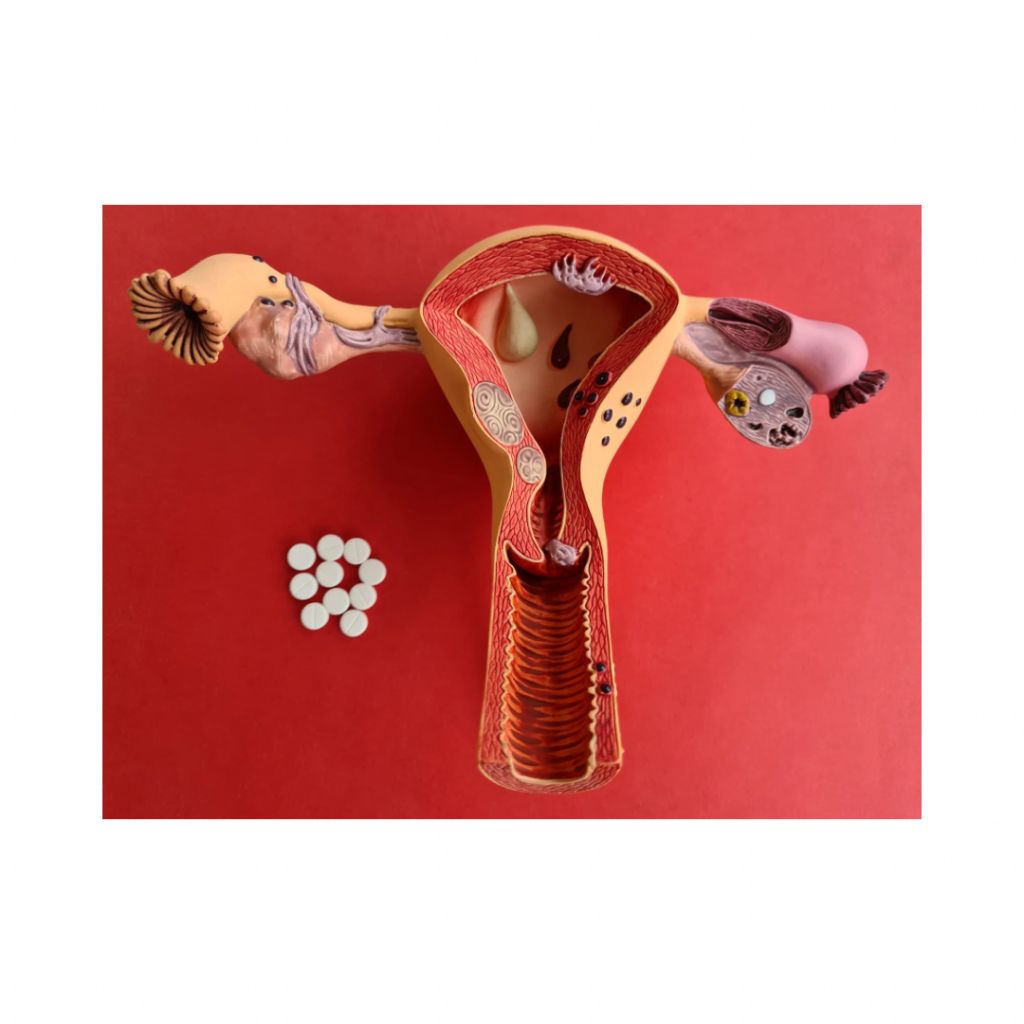
2. Adenomyosis
Another important cause of worsening period pain—particularly in women in their 30s and 40s—is adenomyosis.
Adenomyosis occurs when tissue normally lining the uterus grows into the muscular wall of the uterus.
It can cause:
- Increasingly painful periods
- Heavy menstrual bleeding
- Pelvic pain
- A feeling of pelvic pressure
- Pain during intercourse in some women
ACOG notes that adenomyosis can cause menstrual pain that worsens with age, while the NHS identifies increasingly painful or heavy periods as reasons to seek medical assessment.
Adenomyosis is one reason I pay attention when a woman tells me:
“My periods were never this painful before.”
3. Fibroids
Fibroids are non-cancerous growths that can develop in or around the uterus.
Depending on their size and location, they may cause:
- Heavy periods
- Longer periods
- Pelvic pressure
- Abdominal discomfort
- Lower back pain
- Period pain
Not every woman with fibroids needs treatment.
This is an important clinical distinction.
The presence of a fibroid on an ultrasound does not automatically mean that the fibroid is responsible for your symptoms.
Treatment decisions depend on factors such as the fibroid’s location and size, your symptoms, age, reproductive plans and other findings.
4. Ovarian Cysts and Other Pelvic Conditions
Some ovarian cysts can cause pelvic pain or discomfort.
Other conditions that may contribute to painful periods include pelvic inflammatory disease and certain uterine or pelvic abnormalities.
This is why the correct approach is not simply:
“I have period pain → take a painkiller.”
The more useful question is:
“Why has my pain changed?”
Normal Period Cramps vs Warning Signs
| More consistent with ordinary cramps | Features that deserve evaluation |
|---|---|
| Mild or moderate pain | Severe or progressively worsening pain |
| Occurs mainly around the beginning of the period | Starts several days before menstruation |
| Improves within a few days | Continues after the period |
| Similar pattern every month | Pattern is changing |
| Does not significantly affect daily life | Prevents work, sleep or normal activities |
| No other concerning symptoms | Heavy bleeding, pain during sex or bowel/bladder symptoms |
This is not a diagnostic checklist. It is simply a practical way to recognize when an assessment may be worthwhile.
Symptoms You Should Not Ignore
Please consider seeing a gynecologist if you notice:
1. Your period pain is becoming progressively worse
Especially if this is a new change.
2. Pain starts before your period
Pain that begins several days before menstruation can be an important clue.
3. Pain continues after your period
Typical menstrual cramps generally improve as menstruation progresses.
4. You have very heavy periods
Heavy bleeding combined with increasing pain may point toward conditions such as adenomyosis or fibroids.
5. You have pain during sex
This can occur with several pelvic conditions, including endometriosis.
6. You have bowel or bladder pain during periods
Cyclical bowel or urinary symptoms can be particularly relevant when evaluating possible endometriosis.
7. You are struggling to conceive
Endometriosis, for example, can be associated with infertility.
8. Painkillers are no longer controlling the pain
A change in response to your usual treatment is worth discussing with your doctor.
Who May Need Closer Evaluation?
There is no single age at which period pain becomes abnormal.
However, I pay particular attention when a woman develops new or progressively worsening menstrual pain after years of relatively manageable periods.
Women may also need evaluation when painful periods are accompanied by:
- Heavy bleeding
- Irregular bleeding
- Pain between periods
- Pain during sex
- Pelvic pressure
- Bowel or bladder symptoms
- Infertility
- Persistent pelvic pain
A family history of endometriosis may also be relevant when assessing symptoms.
How I Evaluate Worsening Period Pain
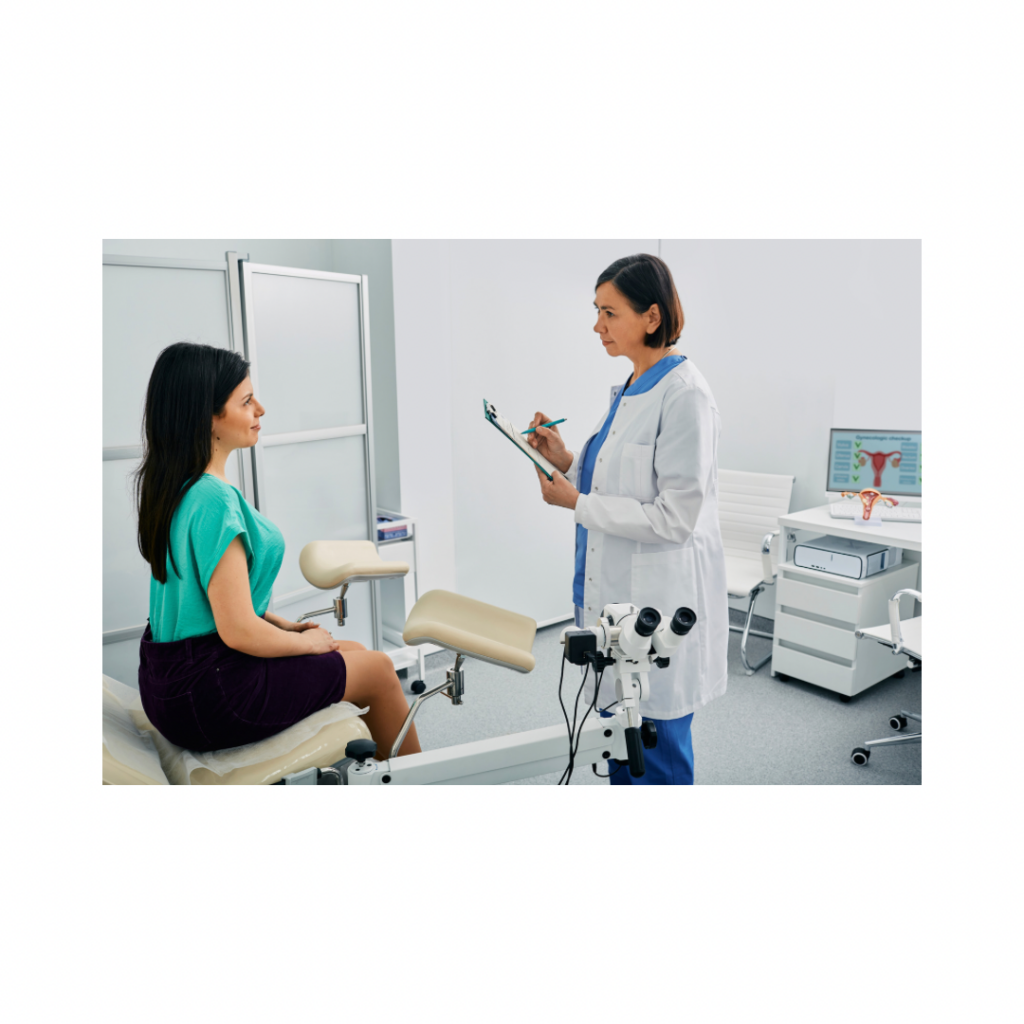
During a consultation, I usually start with the history rather than immediately ordering multiple tests.
I want to understand:
- When did the pain begin?
- Has it become worse recently?
- Exactly when does the pain start?
- How long does it last?
- How heavy is your bleeding?
- Are your cycles regular?
- Do you have pain during sex?
- Do you have bowel or urinary symptoms?
- Have you had previous pelvic surgery?
- Are you trying to conceive?
- What medications have you already tried?
- How much is the pain affecting your daily life?
Your menstrual history can provide surprisingly important diagnostic information.
Many women simply say, “My periods are painful.”
But the difference between pain on day one and pain beginning four days before menstruation and continuing afterward can be clinically meaningful.
What Tests May Be Recommended?
The investigations depend on your symptoms and examination findings.
Possible evaluation may include:
Pelvic examination
Depending on your symptoms and circumstances, your doctor may recommend an examination.
Ultrasound
A pelvic ultrasound can help evaluate conditions such as fibroids, ovarian cysts and adenomyosis and can identify some features associated with endometriosis.
Blood tests
Blood tests may sometimes be recommended depending on your symptoms—for example, if heavy bleeding raises concerns about anemia or another condition.
Further imaging
In selected situations, additional imaging such as MRI may be useful, particularly when adenomyosis or complex pelvic disease requires further assessment.
Laparoscopy
Laparoscopy may be considered in selected patients, particularly when endometriosis is strongly suspected and further evaluation or treatment is appropriate.
The important point is:
Not every woman with painful periods needs every test.
The investigation should be guided by the clinical picture.
Treatment Options for Painful Periods
Treatment depends on the cause, severity of symptoms, age, medical history and whether you are planning pregnancy.
Lifestyle and self-care
For some women, supportive measures can help:
- Regular physical activity
- Adequate sleep
- Heat therapy
- Rest when symptoms are severe
- Tracking menstrual symptoms
ACOG recommends measures such as regular exercise, adequate sleep and heat for period pain.
These measures can help, but they should not replace evaluation when pain is progressively worsening.
Pain-relieving medicines
Anti-inflammatory medicines such as NSAIDs may help reduce menstrual pain because they reduce prostaglandin-related inflammation and uterine contractions.
However, they are not suitable for everyone.
Your doctor should consider your medical history, other medicines, stomach or kidney problems, pregnancy status and other contraindications before recommending them.
Hormonal Treatment
Depending on the cause and your reproductive plans, hormonal treatments may be considered.
Options can include:
- Combined hormonal contraception
- Progestin-based treatment
- Hormonal intrauterine systems
- Other hormone-suppressing medicines in selected situations
These treatments may reduce bleeding and pain in appropriate patients.
But treatment should be individualized.
For example, a woman trying to conceive requires a very different treatment strategy from a woman who is not currently planning pregnancy.
Treatment for Endometriosis
Endometriosis treatment may involve:
- Pain management
- Hormonal suppression
- Surgical treatment in selected cases
- Fertility-focused management when pregnancy is desired
ACOG states that treatment depends on symptoms, extent of disease and reproductive goals, and may involve medication, surgery or both.
Treatment for Adenomyosis
Treatment depends on symptom severity and reproductive plans.
Options may include:
- Pain-relieving medicines
- Hormonal treatment
- Hormonal intrauterine systems
- Other medical treatments
- Surgery for selected women with significant symptoms who do not respond adequately to medical management
Treatment for Fibroids
Many fibroids can simply be monitored if they are small and not causing significant problems.
When symptoms are troublesome, treatment may include medication or procedures/surgery depending on:
- Fibroid location
- Size
- Number
- Bleeding severity
- Pain or pressure
- Age
- Fertility plans
There is no single “best fibroid treatment” for every woman.

What I Commonly See in My Practice
In my clinical practice, one common misconception I frequently see is:
“Period pain is normal, so I just have to tolerate it.”
Some pain can indeed be part of a normal menstrual cycle.
But pain that changes significantly deserves a second look.
Another mistake is waiting until the pain becomes unbearable before seeking help.
Many women manage their symptoms for months or years by taking painkillers every cycle without asking why the pain has changed.
During consultations, patients often ask:
“Doctor, if my ultrasound is normal, does that mean everything is fine?”
Not necessarily.
A normal scan can be reassuring, but it does not automatically explain every type of pelvic pain. Endometriosis, for example, can sometimes be difficult to detect on routine imaging.
I usually recommend looking at the whole clinical picture—symptoms, menstrual pattern, examination and appropriate investigations—rather than relying on one test alone.

Common Mistakes Women Make
Mistake 1: Assuming age is the cause
Age itself is not an adequate explanation for progressively worsening cramps.
Mistake 2: Waiting until pain becomes unbearable
Earlier assessment can help identify the cause and discuss appropriate treatment.
Mistake 3: Treating every pelvic pain episode as “period pain”
Pain can have several causes.
Mistake 4: Assuming every fibroid needs surgery
Treatment depends on symptoms and individual circumstances.
Mistake 5: Assuming a normal ultrasound excludes endometriosis
It does not necessarily do so.
Mistake 6: Ignoring fertility concerns
If painful periods occur alongside difficulty conceiving, tell your gynecologist.
Common Myths About Period Pain
Myth 1: “Painful periods are always normal.”
Fact: Mild-to-moderate menstrual cramps can be normal, but severe or progressively worsening pain should be assessed.
Myth 2: “Period pain naturally gets worse as women get older.”
Fact: Primary menstrual pain often improves with age. New or worsening pain can indicate secondary dysmenorrhea.
Myth 3: “A normal ultrasound means I don’t have endometriosis.”
Fact: Some endometriosis may not be visible on routine ultrasound.
Myth 4: “If I can tolerate the pain, I don’t need treatment.”
Fact: The important question is not only whether you can tolerate it, but whether the pain is affecting your health, daily life or fertility.
Myth 5: “Having fibroids means I need surgery.”
Fact: Many fibroids do not require surgery. Management depends on symptoms, location, size and reproductive goals.
Myth 6: “Pain after 40 is simply part of menopause approaching.”
Fact: Changes in menstrual symptoms around the perimenopausal years deserve proper assessment, particularly when bleeding becomes heavy or pain is new or severe.
Frequently Asked Questions
Why are my period cramps suddenly worse than before?
New or worsening cramps can occur for several reasons, including endometriosis, adenomyosis, fibroids, ovarian cysts or other pelvic conditions. It is worth evaluating a significant change in your usual menstrual pattern.
Is it normal for period pain to get worse after 30?
Not necessarily. Primary menstrual cramps often improve with age. New or progressively worsening pain can suggest secondary dysmenorrhea and should be assessed when significant.
Can endometriosis cause worsening period pain?
Yes. Progressive menstrual pain is an important symptom associated with endometriosis. Other clues can include pelvic pain, pain during sex, bowel or urinary symptoms during periods and difficulty conceiving.
Can adenomyosis cause severe cramps?
Yes. Adenomyosis can cause painful periods and heavy menstrual bleeding, and the pain may become worse with age.
Can fibroids cause period cramps?
They can. Fibroids may cause heavy bleeding, pelvic pressure and pain, although not every fibroid causes symptoms.
When should I see a gynecologist for period pain?
See a gynecologist if your pain is severe, progressively worsening, affecting your daily life, associated with heavy or irregular bleeding, occurs during sex, bowel movements or urination, or is accompanied by difficulty conceiving.
Can severe period pain affect fertility?
Some underlying causes of painful periods, particularly endometriosis, can be associated with difficulty conceiving.
Does a normal ultrasound rule out endometriosis?
No. Ultrasound can identify some findings, but some forms of endometriosis may not be visible on routine imaging. Your symptoms and clinical assessment remain important.
Can period pain be treated without surgery?
Yes. Depending on the cause, treatment can include lifestyle measures, pain-relieving medicines and hormonal treatments. Surgery is considered only in selected situations.
Can I just continue taking painkillers every month?
Some women can safely use appropriate pain medicines, but repeated reliance on medication without assessing progressively worsening pain can delay diagnosis of an underlying condition. Ask your doctor which medication and dose are appropriate for you.
Key Takeaways
- Some period pain is normal.
- Period pain does not automatically become worse because of age.
- New or progressively worsening pain deserves attention.
- Endometriosis and adenomyosis are important causes of worsening menstrual pain.
- Fibroids and ovarian conditions can also cause pelvic pain.
- Heavy bleeding combined with increasing pain is an important warning sign.
- Pain during sex, bowel movements or urination can provide important diagnostic clues.
- A normal ultrasound does not necessarily rule out endometriosis.
- Treatment depends on the underlying cause and your reproductive plans.
- You do not have to simply tolerate severe period pain.
When Should You See a Gynecologist?
Book a gynecology consultation if:
- Your cramps are becoming progressively worse.
- Your periods have suddenly become much more painful.
- Pain interferes with your work, sleep or daily activities.
- Your periods have become significantly heavier.
- You have pain between periods.
- You have pain during sex.
- You have bowel or bladder pain around menstruation.
- You have persistent pelvic pain.
- You are having difficulty conceiving.
- Your usual pain-relief strategy is no longer working.
If your pelvic or period pain is severe or substantially worse than usual and painkillers are not helping, prompt medical assessment is appropriate.
Conclusion
Period cramps are common, but progressively worsening period pain should not automatically be dismissed as a normal consequence of getting older.
The pattern of your pain matters.
If your periods have become increasingly painful, especially when accompanied by heavy bleeding, pain during sex, bowel or bladder symptoms, persistent pelvic pain or fertility difficulties, conditions such as endometriosis, adenomyosis or fibroids may need to be considered.
The goal of a gynecology consultation is not simply to prescribe a painkiller. It is to understand why your pain has changed, identify any underlying condition and choose treatment that fits your symptoms, health and reproductive plans.
Call to Action
If your period cramps are getting worse with age, you don’t have to simply tolerate them every month.
At Dr. Rohini’s Gynaec, Infertility & Maternity Clinic in Nellore, I evaluate menstrual problems, pelvic pain, endometriosis-related symptoms, adenomyosis, fibroids and other gynecological concerns with an individualized approach.
If your period pain has changed, consider getting it evaluated rather than repeatedly masking the symptoms.
📍 Dr. Rohini’s Gynaec, Infertility & Maternity Clinic
Shine Hospital, Mini Bypass Road, Nellore, Andhra Pradesh
📞 Appointments: 9490880960
Compassionate Women’s Care.