
Laparoscopic Gynecological Surgery in Nellore
Laparoscopic Gynecologist in Nellore, Dr. Rohini Udayagiri, provides individualized evaluation and gynecological surgical care for women who may benefit from minimally invasive surgery.
Laparoscopic surgery, also known as keyhole surgery, uses a small camera and specialized instruments through small abdominal incisions. Depending on the condition, it may be used to diagnose or treat problems involving the uterus, ovaries, fallopian tubes and other pelvic organs.
Dr. Rohini is an experienced Gynecologist and Obstetrician with 15 years of clinical experience. Her approach is to first understand the patient’s symptoms, diagnosis, medical history and reproductive goals before discussing whether surgery is appropriate.
Laparoscopic surgery is not necessary for every gynecological condition, and it is not suitable for every patient. The safest and most appropriate surgical approach depends on the individual clinical situation.
If you have been diagnosed with fibroids, endometriosis, an ovarian cyst, pelvic pain or another gynecological condition, a consultation can help you understand your treatment options and whether minimally invasive surgery may be appropriate.

Table of Contents
What Is Laparoscopic Gynecological Surgery
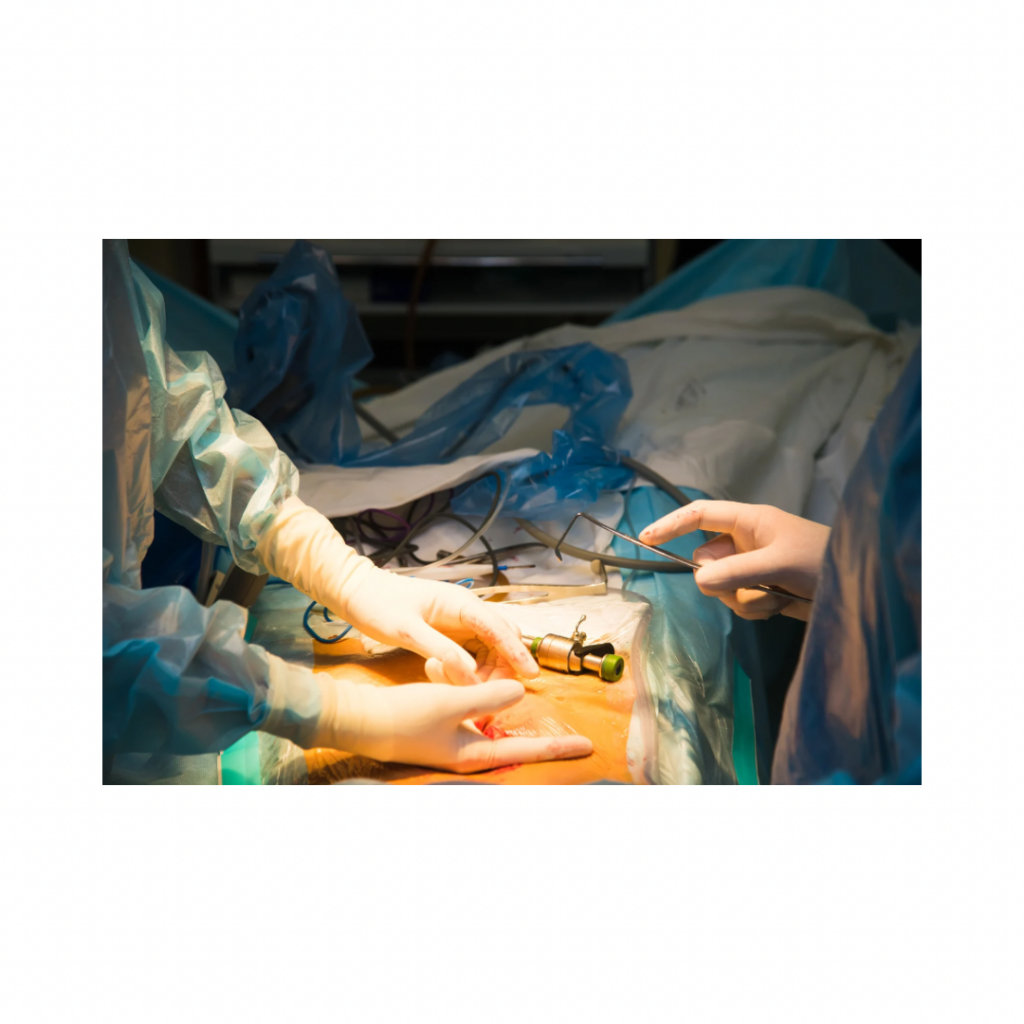
Laparoscopic surgery is a minimally invasive surgical technique in which a thin camera called a laparoscope is inserted through a small incision, usually around the abdomen. The surgeon views the pelvic organs on a screen and can use additional instruments through other small incisions when treatment is required.
Compared with traditional open abdominal surgery, laparoscopic procedures generally involve smaller incisions and may offer advantages such as less postoperative pain, shorter hospital stays and faster recovery for appropriately selected patients. However, these benefits vary according to the procedure and individual circumstances.
The choice of laparoscopic, vaginal or open surgery should be based on the diagnosis, anatomy, previous surgeries, medical history, fertility plans and the surgeon’s assessment.
Which Gynecological Conditions May Be Treated With Laparoscopy?
Laparoscopic surgery may be considered for selected women with conditions such as:
- Uterine fibroids
- Ovarian cysts
- Endometriosis
- Certain causes of chronic pelvic pain
- Selected ectopic pregnancies
- Certain infertility-related pelvic conditions
- Selected cases requiring hysterectomy
- Other conditions involving the uterus, ovaries or fallopian tubes
Laparoscopy can sometimes be used for both diagnosis and treatment during the same procedure. Whether it is appropriate depends on the specific diagnosis and individual circumstances.
Symptoms That May Require a Gynecological Evaluation
You should consider consulting a gynecologist if you experience:
- Persistent or severe pelvic pain
- Very painful periods
- Heavy or prolonged menstrual bleeding
- Abnormal uterine bleeding
- Pain during sexual intercourse
- Recurrent or persistent ovarian cysts
- Infertility or difficulty conceiving
- Symptoms associated with endometriosis
- A fibroid diagnosed on ultrasound
- A pelvic mass or abnormal scan finding
- Recurrent symptoms despite medical treatment
Having one of these symptoms does not automatically mean that surgery is required.
A proper evaluation is important to identify the underlying cause and determine whether observation, medication, further investigation or surgery is appropriate.
Common Conditions for Which Laparoscopic Surgery May Be Considered
Fibroids
Fibroids are non-cancerous growths that develop in or around the uterus. Some fibroids cause no symptoms and may only require observation.
Others may cause:
- Heavy menstrual bleeding
- Pelvic pressure
- Pain
- Anemia
- Fertility-related concerns
- Problems related to the size or location of the fibroid
For selected women, laparoscopic removal of fibroids may be considered. The decision depends on factors such as fibroid size and location, symptoms, age and future pregnancy plans.
Endometriosis
Endometriosis occurs when tissue similar to the lining of the uterus grows outside the uterus.
It may be associated with:
- Severe period pain
- Chronic pelvic pain
- Pain during intercourse
- Pain related to bowel or bladder symptoms
- Difficulty conceiving
Laparoscopy may be used in selected patients when endometriosis needs to be diagnosed or surgically treated, particularly when symptoms persist despite appropriate medical management.
Ovarian Cysts
Many ovarian cysts are benign and disappear without treatment.
Surgery may be considered when a cyst is persistent, symptomatic, has concerning characteristics or requires further assessment.
When appropriate, laparoscopic surgery can sometimes be used to remove an ovarian cyst while considering preservation of healthy ovarian tissue and the woman’s reproductive goals.
Hysterectomy
A hysterectomy is an operation to remove the uterus. Depending on the patient’s condition, a hysterectomy may sometimes be performed laparoscopically.
However, laparoscopic hysterectomy is not appropriate for every patient. The route of hysterectomy depends on factors including the size and shape of the uterus, previous surgery, pelvic anatomy, associated conditions and the surgeon’s assessment.
How Is the Need for Laparoscopic Surgery Determined?
A decision about surgery should not be based on an ultrasound report alone.
During your consultation, the evaluation may include:
1. Medical History
Your doctor may ask about:
- Your symptoms
- Menstrual pattern
- Previous pregnancies
- Fertility plans
- Previous surgeries
- Medical conditions
- Previous investigations and treatments
2. Clinical Examination
An examination may be recommended depending on your symptoms and the suspected condition.
3. Imaging
Ultrasound is commonly used to assess conditions such as fibroids, ovarian cysts and other pelvic abnormalities.
Additional imaging may be considered when clinically indicated.
4. Laboratory Tests
Blood tests may be recommended when appropriate—for example, when evaluating anemia or another medical issue relevant to your condition.
Not every patient requires every test.
5. Discussion of Treatment Options
Once the diagnosis and clinical situation are understood, treatment options can be discussed.
These may include:
- Observation
- Medical treatment
- Lifestyle measures where appropriate
- Further investigations
- Laparoscopic surgery
- Another surgical approach
The goal is to choose the most appropriate treatment, not simply the most advanced procedure.
Laparoscopic Surgery vs Open Surgery
One of the common questions women ask is whether laparoscopic surgery is better than open surgery.
There is no single answer for every patient.
Laparoscopic surgery uses smaller abdominal incisions and, when appropriate, may result in less postoperative pain, shorter hospitalization and faster recovery compared with open abdominal surgery.
However, open surgery may still be the appropriate or safest option in some situations.
The decision depends on:
- The type of condition
- Size and location of the problem
- Previous abdominal or pelvic surgery
- Anatomical factors
- Medical conditions
- Complexity of the procedure
- Fertility considerations
- Surgical safety
Your treatment plan should therefore be individualized rather than based only on the desire for a minimally invasive procedure.
My Clinical Approach to Laparoscopic Gynecological Surgery
My approach begins with understanding why surgery is being considered.
Before recommending an operation, I focus on:
- Confirming the diagnosis as accurately as possible
- Understanding your symptoms and concerns
- Reviewing previous investigations and treatments
- Considering your age and general health
- Discussing your fertility and future pregnancy plans when relevant
- Explaining available treatment options
- Discussing the potential benefits and risks of surgery
- Choosing the surgical approach that is appropriate for your individual situation
The decision to undergo surgery should be made after you understand the diagnosis, available options and expected course of treatment.

When May Laparoscopic Surgery Be Considered?
Surgery may be considered when:
- Symptoms are significant or persistent
- Medical treatment has not provided adequate relief
- A structural condition requires surgical treatment
- A pelvic mass or ovarian cyst requires removal
- Endometriosis requires surgical management
- Certain fibroids are causing significant symptoms
- A hysterectomy is medically indicated
- Another condition requires surgical diagnosis or treatment
Surgery is not automatically required simply because a fibroid, cyst or other abnormality is found.
Some conditions can safely be monitored or treated without surgery.
What Are the Possible Benefits of Laparoscopic Surgery?
For appropriately selected patients, laparoscopic surgery may offer:
- Smaller abdominal incisions
- Smaller scars
- Less postoperative pain compared with open abdominal surgery
- Shorter hospital stay for many procedures
- Faster recovery in many cases
However, recovery varies depending on the operation, individual health and any complications.
Laparoscopic surgery also carries risks, including bleeding, infection, injury to nearby organs, anesthesia-related complications and the possibility that conversion to open surgery may sometimes be necessary.
Your surgeon should explain the specific benefits and risks relevant to your procedure before surgery.
What Can I Expect After Laparoscopic Surgery?
Recovery depends on the type and complexity of the operation.
After surgery, some women may experience:
- Mild abdominal discomfort
- Tiredness
- Bloating or cramps
- Temporary shoulder discomfort caused by the gas used during laparoscopy
- Mild discomfort around the incision sites
Minor laparoscopic procedures may allow a relatively quick return to normal activities, while more complex procedures such as laparoscopic hysterectomy require a longer recovery period.
You will receive individual postoperative instructions regarding medicines, wound care, physical activity, work, exercise and follow-up.
Seek medical attention if you develop symptoms such as severe or worsening pain, fever, heavy bleeding, fainting, difficulty passing urine or increasing redness/swelling/discharge from an incision.
Laparoscopic Gynecological Care for Women in Nellore
Dr. Rohini provides gynecological and laparoscopic surgical care in Nellore through Dr. Rohini’s Gynaec, Infertility and Maternity Clinic, associated with Shine Hospital.
Women from Nellore and nearby areas, including Gudur,Gynecology Clinic in Nellore | Women’s Health Care – Dr. Rohini Kovur and Kavali, may seek consultation for conditions such as fibroids, ovarian cysts, endometriosis, pelvic pain and other gynecological concerns.
For patients traveling from nearby towns, planning the consultation in advance can help coordinate evaluation, investigations and follow-up when required.
The priority is continuity of care and making treatment decisions based on the woman’s individual medical needs rather than simply where she lives.
What to Expect During Your Consultation
Your consultation will generally involve:
1. Discussing your symptoms and concerns
You can explain what you have been experiencing, how long it has been happening and how it is affecting your daily life.
2. Reviewing your medical history
Previous surgeries, pregnancies, fertility plans, medications and medical conditions may be relevant.
3. Reviewing investigations
Existing ultrasound reports, blood tests or previous medical records can help understand your condition.
4. Examination or further investigations when required
Not every patient requires the same investigations.
5. Discussing the diagnosis
The suspected or confirmed condition will be explained in understandable terms.
6. Discussing treatment choices
Depending on the diagnosis, options may include observation, medication, further evaluation or surgery.
7. Creating an individualized treatment plan
If surgery is appropriate, the surgical approach, preparation, expected recovery and follow-up can be discussed before proceeding.
Frequently Asking Questions
What is laparoscopic gynecological surgery?
Laparoscopy is a minimally invasive surgical procedure performed using small incisions and a camera to diagnose and treat gynecological conditions.
👉 It offers faster recovery and less pain compared to open surgery.
When is laparoscopy needed in gynecology?
Laparoscopy may be required for:
Infertility evaluation
Ovarian cysts
Fibroids
Endometriosis
Chronic pelvic pain
👉 It helps in both diagnosis and treatment.
Is laparoscopic surgery safe?
Yes. Laparoscopy is a safe and widely used procedure when performed by an experienced gynecologist.
👉 It has fewer complications compared to traditional surgery.
What are the benefits of laparoscopy?
Benefits include:
Small incisions
Less pain
Faster recovery
Short hospital stay
Better cosmetic results
How long does it take to recover after laparoscopy?
Most patients recover within a few days to a week depending on the procedure.
👉 You can return to normal activities much earlier than open surgery.
Does laparoscopy help in infertility?
Yes. Laparoscopy helps identify and treat conditions like endometriosis, tubal block, and adhesions, improving chances of natural pregnancy.
Is laparoscopic surgery painful?
Pain is minimal compared to open surgery and is well controlled with medication.
Why choose Dr. Rohini for laparoscopic gynecological surgery in Nellore?
Dr. Rohini provides expert care with a focus on safe, minimally invasive procedures, faster recovery, and effective results tailored to each patient.
Will I need to stay in hospital after laparoscopy?
Most laparoscopic procedures require a short hospital stay, and in some cases, patients may be discharged the same day.
Who is the best laparoscopic gynecologist in Nellore?
The best laparoscopic gynecologist is one who combines surgical expertise with patient safety and personalized care. At Dr. Rohini’s Clinic, we focus on minimally invasive procedures with faster recovery and excellent outcomes.
Further Reading
- Laparoscopy (Keyhole Surgery) – NHS
Learn how laparoscopy is performed, why it may be recommended, recovery expectations and possible complications.
Read the NHS guide to laparoscopy - Laparoscopy – Gynaecology Patient Information, NHS
Provides additional information about recovery, wound care, pain, activity and follow-up after gynecological laparoscopy.
Read the NHS gynaecology laparoscopy information - Laparoscopic Surgery – Norfolk and Norwich University Hospitals NHS Foundation Trust
Patient information covering what to expect after laparoscopic surgery and when medical advice may be needed.
Read the hospital’s laparoscopic surgery guide - Hysterectomy – NHS
Information about hysterectomy, including recovery following laparoscopic and other types of hysterectomy.
Read the NHS hysterectomy information
Book a Consultation With Dr.Rohini
If you have been diagnosed with a fibroid, ovarian cyst, endometriosis or another gynecological condition and want to understand whether laparoscopic surgery may be appropriate for you, an individual consultation can help clarify your options.
Dr. Rohini focuses on careful evaluation, evidence-based treatment and individualized surgical decision-making.
Dr. Rohini’s Gynaec, Infertility and Maternity Clinic
Nellore, Andhra Pradesh
Associated with Shine Hospital
Call for an appointment: 9490880960
Visit: https://www.drrohinigynae.com