
Heavy Period Bleeding Treatment in Nellore | Dr. Rohini Gynecologist
Heavy periods can be more than an inconvenience. If your periods are unusually heavy, last longer than expected, involve frequent changing of pads, or interfere with your work, sleep and daily activities, it is worth discussing them with a gynecologist.
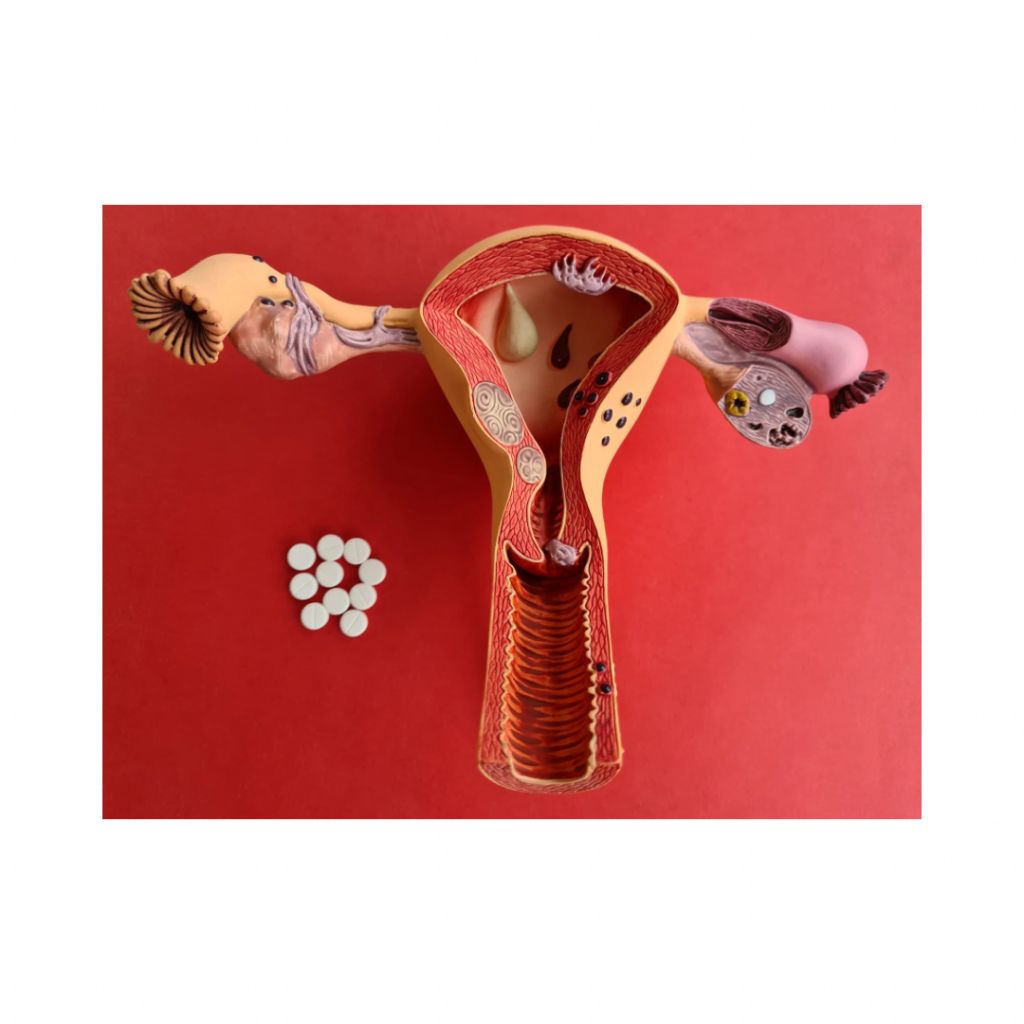
Heavy menstrual bleeding can occur for many reasons, including fibroids, adenomyosis, endometriosis, uterine polyps, hormonal changes and certain medical conditions. Sometimes the cause is not immediately obvious.
At Dr. Rohini’s Gynaec, Infertility and Maternity Clinic in Nellore, the focus is on understanding your symptoms, identifying possible causes and choosing treatment according to your age, health, symptoms and reproductive plans.
Treatment is not the same for every woman. Some women may benefit from medicines or hormonal treatment, while others may require a procedure or surgery depending on the underlying cause.

What is Heavy Menstrual Bleeding?
Heavy menstrual bleeding means menstrual bleeding that is unusually heavy or significantly affects a woman’s physical, emotional or social wellbeing.
You may notice:
- Needing to change sanitary pads or tampons very frequently
- Bleeding through clothes or bedding
- Passing large blood clots
- Periods that continue for many days
- Feeling tired or weak during or after periods
- Difficulty going to work, school or social activities because of bleeding
- Needing to plan daily activities around your period
- Symptoms of anemia such as tiredness, dizziness or breathlessness
The important point is that the impact of bleeding on your everyday life matters. You do not have to simply tolerate very heavy periods.
When Should You Consult a Gynecologist?
Consider a gynecological evaluation if:
- Your periods have suddenly become much heavier than before
- You regularly need to change pads very frequently
- You pass large blood clots
- Your bleeding lasts unusually long
- Heavy periods are affecting work, sleep, exercise or daily activities
- You experience significant period pain along with heavy bleeding
- You have bleeding between periods
- You have bleeding after sexual intercourse
- You feel unusually tired or weak
- You have known fibroids, adenomyosis, endometriosis or another gynecological condition
- Heavy bleeding develops around the time of perimenopause
Seek urgent medical attention
Very heavy bleeding accompanied by fainting, severe dizziness, marked weakness, shortness of breath, chest discomfort or feeling severely unwell needs prompt medical assessment.
What Causes Heavy Periods?
Heavy menstrual bleeding can have several causes. Some common possibilities include:
Fibroids
Fibroids are non-cancerous growths of the uterine muscle. Depending on their size and location, they can cause heavy periods, prolonged bleeding, pelvic pressure or pain.Learn more about uterine fibroids. ACOG – Uterine Fibroids
Adenomyosis
Adenomyosis occurs when tissue similar to the uterine lining grows into the muscular wall of the uterus. Adenomyosis can cause heavy and painful periods.” NHS – Adenomyosis
Endometriosis
Endometriosis occurs when tissue similar to the uterine lining grows outside the uterus. Severe period pain is a common symptom, but some women may also experience heavy or irregular bleeding.Learn more about endometriosis. WHO – Endometriosis
Uterine polyps
Polyps are growths arising from the lining of the uterus. They can cause irregular or heavy bleeding in some women.
Hormonal changes
Changes in ovulation and reproductive hormones can affect the thickness and shedding of the uterine lining. This may occur during adolescence, the reproductive years or the transition towards menopause.
Thyroid and other medical conditions
Certain medical conditions can contribute to abnormal menstrual bleeding. Some medications and bleeding disorders can also play a role.
Perimenopause
As menopause approaches, menstrual cycles can become irregular. Some women experience heavier or more unpredictable bleeding during this transition.
Pregnancy-related causes
If pregnancy is possible, unusual bleeding should not automatically be assumed to be a menstrual period. Pregnancy-related causes need appropriate evaluation.
The cause cannot always be determined from the amount of bleeding alone.
How is Heavy Period Bleeding Diagnosed?
Evaluation begins with understanding your individual symptoms and medical history.
Depending on your situation, your gynecologist may consider:
1. Medical history
You may be asked about:
- When the heavy bleeding started
- Your usual cycle pattern
- Duration of bleeding
- Approximate amount of bleeding
- Clots
- Pain and other symptoms
- Previous pregnancies and deliveries
- Medications
- Existing medical conditions
- Your plans for future pregnancy
2. Clinical examination
A gynecological examination may be recommended when appropriate based on your symptoms and medical history.
3. Blood tests
Blood tests may be advised when clinically appropriate—for example, to assess for anemia or investigate a possible underlying medical problem.
4. Ultrasound
A pelvic ultrasound can help assess the uterus and ovaries and may identify conditions such as fibroids, adenomyosis or polyps.
Not every woman requires the same investigations. Tests should be selected according to the individual’s symptoms and clinical findings.
5. Further investigations
Some women may require additional evaluation depending on their age, bleeding pattern, risk factors and initial findings.
Heavy Period Bleeding Treatment Options
Treatment depends on why you are bleeding heavily, how severe the symptoms are, your age, overall health and whether you want to become pregnant in the future.
There is no single treatment that is suitable for every woman.
Medical Treatment
Depending on the cause and individual circumstances, treatment may include medicines that reduce menstrual bleeding or manage associated symptoms.
Hormonal treatment may also be considered for some women.
The choice depends on factors such as:
- Your age
- Cause of bleeding
- Other medical conditions
- Contraceptive needs
- Pregnancy plans
- Previous treatment
- Your preferences
Treating Anemia
If heavy bleeding has resulted in iron deficiency or anemia, appropriate treatment may be required.
Managing anemia is an important part of caring for women with persistent heavy menstrual bleeding.
Lifestyle and Supportive Measures
Lifestyle measures may support overall health, but they do not replace evaluation when heavy bleeding has an underlying gynecological cause.
Maintaining adequate nutrition and addressing iron deficiency when present can be important, particularly when blood loss is significant.
Procedures
When medication is not suitable, does not adequately control symptoms, or a structural problem is identified, a gynecologist may discuss an appropriate procedure.
The procedure depends on the underlying condition.
Surgery
Surgery may be considered when there is a significant structural problem, symptoms are persistent or severe, other treatments have not been suitable or effective, or when the individual circumstances make surgery an appropriate option.
For example, some women with symptomatic fibroids may eventually require surgical treatment.
Surgery is not automatically necessary simply because periods are heavy.
My Clinical Approach to Heavy Period Bleeding

As an experienced Gynecologist and Obstetrician, my approach begins with understanding why the bleeding is occurring rather than treating the symptom in isolation.
During consultation, I focus on:
- Listening carefully to your bleeding pattern and concerns
- Reviewing your menstrual and medical history
- Identifying symptoms that may suggest an underlying condition
- Recommending investigations when clinically appropriate
- Discussing available treatment choices
- Considering your fertility and future pregnancy plans
- Explaining the benefits, limitations and possible implications of treatment
- Developing an individualized treatment plan
- Arranging follow-up when needed
The goal is to help you understand what may be causing your heavy periods and what treatment options are appropriate for you.
When May Surgery Be Considered?
Surgery may be discussed in selected situations, such as:
- Fibroids causing significant symptoms
- Structural abnormalities of the uterus
- Persistent heavy bleeding despite appropriate medical management
- A condition for which a surgical approach is appropriate
- Significant symptoms affecting quality of life
- Situations where the patient’s individual circumstances and treatment preferences support surgery
The decision should be made after appropriate evaluation and discussion of alternatives.
If fertility is important to you, this should be discussed before choosing a treatment because some procedures can affect future pregnancy plans.
Care for Women From Nellore and Nearby Areas
Women from Nellore and surrounding areas such as Gudur, Kovur and Kavali may seek gynecological care when heavy periods begin affecting their everyday life.
Having an evaluation closer to home can also make it easier to maintain continuity of care when investigations, treatment or follow-up are required.
At Dr. Rohini’s Gynaec, Infertility and Maternity Clinic, consultations focus on understanding the individual patient’s concerns and discussing an appropriate treatment plan rather than applying the same approach to every woman.
What Can You Expect During Your Consultation?
Your consultation generally involves:
1. Discuss your symptoms
We discuss your menstrual pattern, bleeding, pain and other concerns.
2. Review your medical history
Previous pregnancies, medications, medical conditions and reproductive plans may be relevant.
3. Examination or investigations if required
Depending on your symptoms, an examination, blood tests or ultrasound may be recommended.
4. Understand the possible cause
The findings are assessed together to determine what may be contributing to the bleeding.
5. Discuss treatment choices
Medical treatment, procedures or surgery may be discussed when appropriate.
6. Create an individualized plan
The treatment plan is based on your condition, health, fertility plans and preferences.
7. Follow-up when necessary
Follow-up helps assess symptoms and response to treatment.
frequently asking questions
What is heavy menstrual bleeding?
Heavy menstrual bleeding means excessive blood loss during periods, such as soaking pads every 1–2 hours, passing large clots, or periods lasting more than 7 days.
When should I consult a doctor for heavy periods?
You should consult a gynecologist if you have very heavy flow, severe pain, dizziness, weakness, or if bleeding is affecting your daily life.
👉 Early treatment prevents complications like anemia.
What causes heavy menstrual bleeding?
Common causes include hormonal imbalance, PCOS, fibroids, thyroid problems, or uterine conditions.
👉 Proper diagnosis is important to treat the root cause.
Is heavy bleeding during periods dangerous?
If untreated, it can lead to anemia, fatigue, and reduced quality of life.
👉 Timely treatment helps prevent serious complications.
What tests are needed for heavy periods?
Evaluation may include:
Ultrasound scan
Blood tests
Hormonal analysis
👉 Most causes can be diagnosed with simple tests.
What is the treatment for heavy menstrual bleeding?
Treatment depends on the cause and may include:
Medicines
Hormonal therapy
Lifestyle changes
Minimally invasive procedures (if needed)
👉 Many cases are treated without surgery.
Can heavy bleeding affect fertility?
In some cases, yes — especially if caused by hormonal imbalance or uterine problems.
👉 Early treatment improves fertility outcomes.
Why choose Dr. Rohini for heavy bleeding treatment in Nellore?
Dr. Rohini focuses on accurate diagnosis and personalized treatment, offering simple and effective solutions before considering advanced procedures.
Is surgery always required for heavy bleeding?
No. Most patients improve with medicines and non-surgical treatments.
👉 Surgery is only needed in selected cases.
Which is the best doctor for heavy periods treatment in Nellore?
The best doctor is one who identifies the root cause and provides personalized treatment. At Dr. Rohini’s Clinic, we focus on effective and simple treatment options for long-term relief.
Book a Consultation for Heavy Period Bleeding
If your periods have become unusually heavy, prolonged or difficult to manage, consider discussing your symptoms with a gynecologist.
Dr. Rohini Udayagiri
Gynecologist & Obstetrician | 15 Years of Experience
Dr. Rohini’s Gynaec, Infertility and Maternity Clinic, Nellore
Call: 9490880960
A consultation can help determine whether your heavy bleeding needs further evaluation and which treatment options may be appropriate for you.