PCOS Diet: What to Eat and Avoid
If you have PCOS, you may have heard that you must completely stop rice, avoid fruits, give up dairy or follow a very low-carbohydrate diet.
That is not what current evidence says.
The most important point is this: there is no single “PCOS diet” that is proven to be best for every woman. The 2023 International Evidence-Based Guideline recommends healthy eating that is sustainable and tailored to an individual woman’s preferences, health needs and goals. Healthy lifestyle changes can be beneficial even when weight loss does not occur.
In my clinical practice, I find that women often become overwhelmed by long lists of “forbidden foods.” Instead of trying to follow a perfect diet, I usually recommend learning how to build a balanced meal that you can continue long term.
And importantly, PCOS is not simply a weight problem. Women of different body sizes can have PCOS, and treatment should be individualized.
Table of Contents
What Is PCOS?
Polycystic ovary syndrome, commonly called PCOS or PCOD, is a common hormonal and metabolic condition affecting women during their reproductive years.
It may cause:
- Irregular or infrequent periods
- Problems with ovulation
- Difficulty becoming pregnant
- Acne
- Excess facial or body hair
- Hair thinning
- Weight gain or difficulty managing weight
- Metabolic problems such as insulin resistance
PCOS can affect women differently. Some women have irregular periods and acne, while others mainly experience fertility difficulties or metabolic concerns.
Importantly, you do not need to have ovarian cysts to have PCOS. Diagnosis is based on a combination of clinical features and appropriate testing after other causes have been excluded.
Why Does PCOS Happen?
There is no single cause of PCOS.
Genetic factors, hormonal changes and metabolic factors can contribute to the condition. Insulin resistance is an important part of the underlying biology in many women with PCOS, but PCOS should not be reduced to simply having “high insulin.”
Family history can also increase the likelihood of developing PCOS.
This is one reason why the same diet does not work identically for every woman.
How Can Diet Affect PCOS?
Diet is one part of PCOS management.
A balanced eating pattern can support:
- Healthy blood glucose regulation
- Cardiometabolic health
- Weight management when weight loss is appropriate
- Adequate nutrition
- Energy levels
- Overall quality of life
The 2023 international guideline recommends healthy eating and physical activity for women with PCOS and emphasizes that the benefits of a healthy lifestyle can occur even without weight loss.
If a woman has a higher weight and wants to lose weight, an individualized energy deficit may be appropriate. But this should not become a reason for extreme dieting or food restriction.
Is There One Best Diet for PCOS?
No.
This is an important point because many online articles promote a particular “PCOS diet.”
The 2023 international guideline found no evidence that one particular diet composition is superior to another for all women with PCOS in terms of metabolic, hormonal, reproductive or psychological outcomes.
Instead, the recommendation is to choose a sustainable healthy eating pattern that fits the woman’s preferences, culture, nutritional needs and goals.
That means you do not necessarily need:
- A keto diet
- A completely carbohydrate-free diet
- A gluten-free diet
- A dairy-free diet
- An expensive “hormone-balancing” diet
- A detox diet
unless there is another medical or nutritional reason for following one of these approaches.
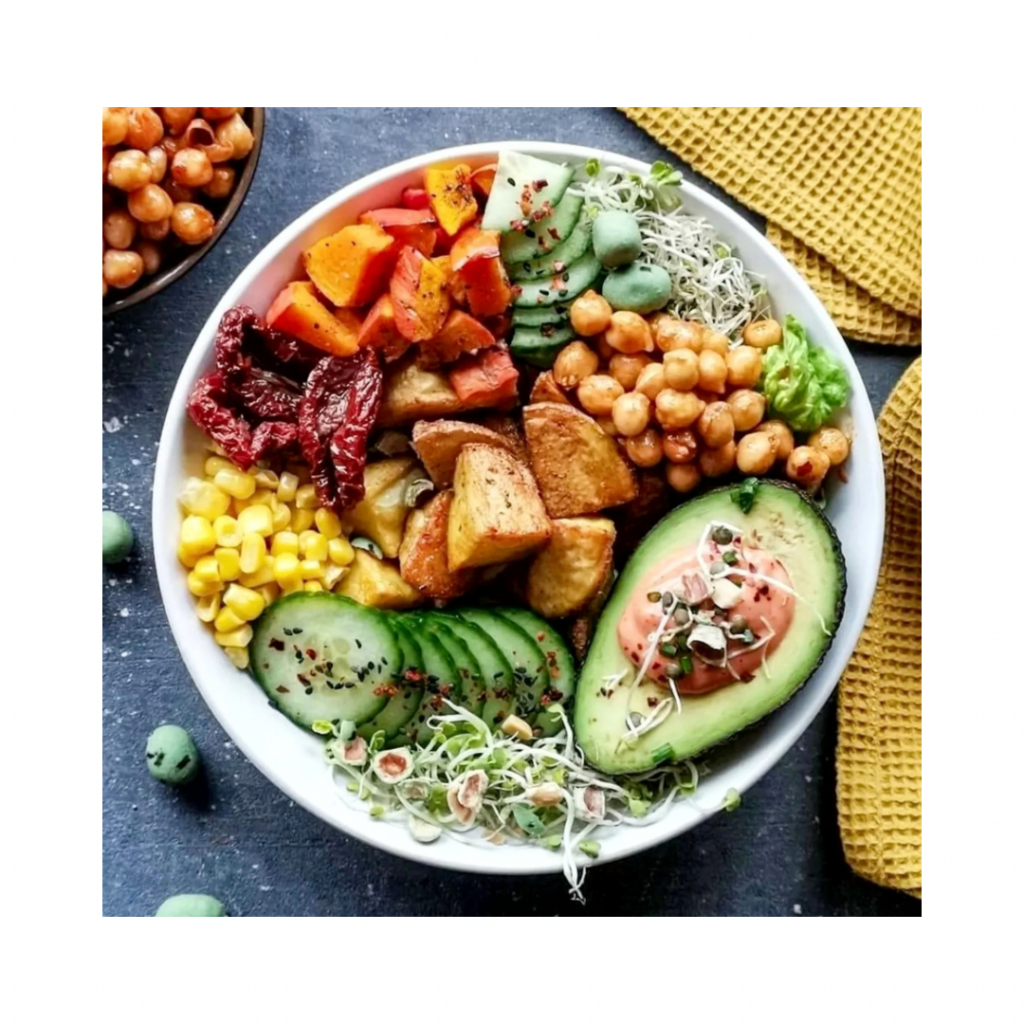
What Foods Should You Eat With PCOS?
Rather than focusing only on foods to eliminate, I prefer to ask:
“What can we add to your meals to make them more balanced?”
1. Vegetables
Try to include a variety of vegetables regularly.
Examples:
- Spinach and other leafy greens
- Beans
- Carrot
- Cucumber
- Tomato
- Brinjal
- Cauliflower
- Cabbage
- Bottle gourd
- Ridge gourd
- Pumpkin
- Okra
- Mixed vegetable preparations
Vegetables provide fibre and micronutrients while helping make meals more filling.
2. Whole grains and high-fibre carbohydrates
Carbohydrates do not automatically need to be eliminated.
Better choices can include:
- Whole wheat roti
- Oats
- Brown rice
- Millets
- Whole grains
- Dalia
- Quinoa
- Other minimally processed grain options
The quality and overall quantity of carbohydrates matter more than simply labeling all carbohydrates as “bad.”
The international guideline notes that higher-fibre, lower-glycaemic-index carbohydrate foods such as whole grains, pulses and fruit can fit into a healthy eating pattern.
3. Pulses and legumes
Indian diets have many excellent sources of plant protein.
Examples include:
- Dal
- Chana
- Rajma
- Green gram
- Black gram
- Chickpeas
- Sprouts
- Other beans and legumes
These foods can help make meals more satisfying and provide both protein and fibre.
4. Protein-rich foods
Include an appropriate protein source according to your dietary preferences.
Examples:
- Eggs
- Fish
- Chicken
- Dal
- Beans
- Chickpeas
- Paneer
- Curd
- Tofu
- Other protein-rich foods
A practical approach is to avoid building a meal mainly around refined carbohydrates and instead combine carbohydrates with vegetables and protein.
5. Fruits
You do not need to completely avoid fruit because you have PCOS.
Examples include:
- Apple
- Orange
- Guava
- Papaya
- Berries when available
- Pomegranate
- Pear
- Melon
- Other whole fruits
Whole fruit is generally preferable to fruit juice because it retains fibre.
Portion size and the overall meal pattern still matter, particularly if you have diabetes or prediabetes.
6. Nuts and seeds
Depending on your calorie needs and dietary preferences, small portions of:
- Almonds
- Walnuts
- Peanuts
- Flaxseeds
- Chia seeds
- Pumpkin seeds
- Sesame seeds
can be incorporated into a balanced diet.
They are nutrient-dense, so portion size still matters.

What Foods Should You Limit or Avoid With PCOS?
There is no universal list of foods that every woman with PCOS must completely avoid.
However, I commonly recommend limiting foods and drinks that provide large amounts of added sugar, refined carbohydrates or excess calories without much nutritional value.
Limit sugary drinks
Examples include:
- Soft drinks
- Sweetened packaged beverages
- Sugary energy drinks
- Excessively sweetened tea or coffee
- Frequent fruit juices
Liquid calories can be easy to consume without feeling as full as after eating whole foods.
Limit sweets and desserts
Examples include:
- Sweets
- Cakes
- Pastries
- Cookies
- Ice cream
- Sweetened desserts
Having a sweet occasionally is different from consuming sugary foods several times every day.
The goal is sustainable eating, not perfection.
Limit highly refined snack foods
Try to reduce frequent consumption of:
- Chips
- Biscuits
- Deep-fried packaged snacks
- Bakery products
- Highly processed convenience foods
These foods can make it difficult to maintain a balanced diet when eaten frequently.
Be careful with “healthy” packaged foods
One common misconception I frequently see is:
“The packet says healthy, so I can eat unlimited quantities.”
Not necessarily.
Granola, protein bars, flavored yogurt, breakfast cereals and packaged “health foods” can sometimes contain significant amounts of added sugar or calories.
Read the nutrition label rather than relying only on marketing claims.
Can You Eat Rice If You Have PCOS?
Yes.
You do not automatically need to stop eating rice after being diagnosed with PCOS.
For many Indian women, completely eliminating rice is unrealistic and can make a diet difficult to maintain.
Instead, consider:
- Reasonable portions
- More vegetables
- A protein source
- Dal or legumes
- Less fried accompaniment
- Fewer sugary drinks and desserts
- Appropriate total food intake
For example, instead of thinking:
“Rice is forbidden.”
Think:
“How can I make my rice-based meal more balanced?”
The right portion depends on your overall diet, activity level, metabolic health and individual goals.
Can You Eat Fruits If You Have PCOS?
Yes.
Whole fruits can be part of a healthy PCOS diet.
I often see women avoiding bananas, mangoes and other fruits completely because they have heard that fruit “increases insulin.”
That is an oversimplification.
Whole fruit contains fibre and nutrients. However, if you have diabetes, prediabetes or another metabolic condition, your overall carbohydrate intake and portions may need individual adjustment.
Should You Stop Milk and Dairy?
Not automatically.
There is no general recommendation that every woman with PCOS must eliminate dairy.
If you tolerate dairy and have no medical reason to avoid it, foods such as curd, milk or paneer may fit into a balanced diet.
If you notice digestive symptoms after consuming particular dairy products, discuss this with your doctor rather than eliminating multiple food groups unnecessarily.
A Simple Indian PCOS-Friendly Meal Pattern
There is no single meal plan suitable for every woman, but a practical pattern may look like this:
Breakfast
Choose one:
- Vegetable oats with egg
- Vegetable upma with a protein source
- Idli with sambar
- Dosa with sambar and a protein-rich accompaniment
- Vegetable poha with peanuts
- Roti with egg or another protein source
Mid-morning
- Whole fruit
- Nuts in a small portion
- Unsweetened curd, if suitable for you
Lunch
A balanced plate can include:
- Rice or roti
- Plenty of vegetables
- Dal/beans
- Egg, fish, chicken, paneer or another protein source
- Curd if suitable
Evening
Instead of automatically reaching for biscuits or fried snacks:
- Fruit
- Roasted chana
- Nuts
- Sprouts
- Unsweetened beverage
Dinner
Keep the same basic principle:
Vegetables + protein + an appropriate carbohydrate portion.
You do not need a complicated “PCOS detox meal plan.”

What I Commonly See in My Practice
In my clinical practice, many women come to me after trying several diets they found online.
Some tell me:
“Doctor, I stopped rice.”
Others say:
“I stopped sugar completely.”
Or:
“I am eating only salads because I want to lose weight quickly.”
The problem is often not a lack of effort.
The problem is that the diet is too restrictive to continue.
One of my clinical priorities is therefore to help women move from:
“What am I forbidden to eat?”
to:
“What eating pattern can I realistically follow for the next year?”
This is particularly important for women who are planning pregnancy, because nutritional adequacy matters alongside weight and metabolic health.
Another important point: not every woman with PCOS needs weight loss.
If a woman is not overweight, the focus may instead be healthy eating, physical activity and prevention of excess weight gain. The international guideline specifically emphasizes this individualized approach.
Common PCOS Diet Mistakes I See
Mistake 1: Completely eliminating carbohydrates
Carbohydrates are not automatically unhealthy.
The type, portion, overall dietary pattern and individual metabolic health matter.
Mistake 2: Eating very little
Extreme calorie restriction can be difficult to sustain and may leave you nutritionally inadequate.
Mistake 3: Avoiding all fruit
Whole fruit does not need to be universally eliminated.
Mistake 4: Blaming every symptom on insulin resistance
PCOS is a complex hormonal and metabolic condition. Symptoms can have multiple causes.
Mistake 5: Expecting diet alone to fix every PCOS problem
Diet is important, but some women need medication, fertility treatment, cycle regulation, acne or hair-growth treatment, or assessment for other health problems.
Mistake 6: Comparing your body with another woman with PCOS
PCOS varies considerably between individuals.
Does Diet Help With PCOS Weight Loss?
It can, when weight loss is appropriate for the individual.
For women with higher weight, healthy eating combined with physical activity and behavioural support can improve metabolic health and may help with weight management.
But weight loss should not be the only measure of success.
Improvements in:
- Waist circumference
- Blood pressure
- Blood glucose
- Cholesterol
- Fitness
- Menstrual regularity
- Energy
- Quality of life
may also matter.
The 2023 guideline specifically states that healthy lifestyle changes can provide benefits even without weight loss.
PCOS Diet and Fertility: Can Food Help You Get Pregnant?
PCOS is one of the common causes of ovulatory infertility.
Healthy lifestyle habits may support overall metabolic and reproductive health, but diet alone cannot guarantee pregnancy.
If you have PCOS and are trying to conceive, treatment depends on factors such as:
- Whether you are ovulating
- Your age
- Duration of infertility
- Weight and metabolic health
- Other fertility factors
- Your partner’s fertility
- Previous pregnancy history
Depending on the situation, treatment may include lifestyle measures, medication to induce ovulation and fertility treatments.
The important message is:
Do not spend months trying different internet diets if you are already having difficulty conceiving. Get an appropriate fertility evaluation.
PCOS Diagnosis: Does an Ultrasound Confirm PCOS?
Not by itself.
PCOS diagnosis requires appropriate clinical assessment and exclusion of other causes.
In adults, the 2023 international guideline uses combinations of:
- Irregular or absent ovulation/menstrual cycles
- Clinical or biochemical evidence of hyperandrogenism
- Polycystic ovarian morphology on ultrasound or, in appropriate adult situations, AMH as an alternative
Not every woman with PCOS has polycystic-appearing ovaries, and an ultrasound finding alone does not mean that a woman has PCOS.
Adolescents require a more cautious diagnostic approach because menstrual irregularity and ovarian appearance can be part of normal pubertal development.
PCOS Treatment: Is Diet Enough?
Sometimes lifestyle changes are an important part of management, but treatment depends on the woman’s symptoms and goals.
Treatment may address:
- Irregular periods
- Acne
- Excess hair growth
- Metabolic risk
- Weight management where appropriate
- Fertility
- Psychological wellbeing
- Long-term health risks
Medication may be appropriate for some women.
For example, combined oral contraceptive pills can help regulate periods and improve acne or excess hair in women who do not wish to become pregnant. Metformin may be considered in selected women for metabolic indications. Fertility treatment may be needed when pregnancy is desired.
This is why I do not recommend treating PCOS purely through a diet chart without understanding the woman’s complete clinical picture.
Common PCOS Diet Myths
Myth 1: “You must stop rice completely.”
Fact: Rice can fit into a balanced diet. Portion size and what you eat with it matter.
Myth 2: “All fruits are bad for PCOS.”
Fact: Whole fruits can be part of healthy eating.
Myth 3: “A keto diet is the only effective PCOS diet.”
Fact: Current international guidance does not support one specific diet composition as universally superior.
Myth 4: “If you have PCOS, you must lose weight.”
Fact: PCOS occurs across different body sizes. For women who are not overweight, healthy lifestyle and prevention of excess weight gain may be the focus.
Myth 5: “Diet alone will cure PCOS.”
Fact: There is currently no cure for PCOS, but symptoms and associated health risks can be managed with lifestyle measures, medication and fertility treatment when appropriate.
Myth 6: “PCOS means you cannot become pregnant.”
Fact: Many women with PCOS can become pregnant, with appropriate support when needed.
Frequently Asked Questions
What is the best diet for PCOS?
There is no single diet proven to be best for every woman with PCOS. A sustainable, balanced eating pattern tailored to your preferences, health and goals is recommended.
What foods should I avoid with PCOS?
Rather than completely banning individual foods, limit frequent intake of sugary drinks, sweets, highly refined snacks, heavily processed foods and foods that make it difficult to maintain your nutritional or calorie goals.
Can I eat rice if I have PCOS?
Yes. Rice does not automatically need to be eliminated. Focus on appropriate portions and combine it with vegetables, protein and fibre-rich foods.
Can women with PCOS eat fruits?
Yes. Whole fruits can be included in a healthy diet. If you have diabetes or prediabetes, portions and the overall carbohydrate pattern may need individualized advice.
Is milk bad for PCOS?
There is no general recommendation that all women with PCOS must avoid dairy. Your individual tolerance and nutritional requirements should be considered.
Is a low-carb diet necessary for PCOS?
No. The 2023 international guideline does not identify one particular diet composition as superior for all women with PCOS.
Can PCOS diet help regulate periods?
Healthy lifestyle management can support PCOS management, but irregular periods may also require medical treatment depending on the cause and individual circumstances.
Can diet help me get pregnant with PCOS?
Healthy eating and lifestyle management can be part of preconception and PCOS care, but diet alone cannot guarantee ovulation or pregnancy. Women having difficulty conceiving may need fertility evaluation and treatment.
Do I need to lose weight if I have PCOS?
Not necessarily. If you have a higher weight, weight management may provide health benefits. If you are not overweight, the emphasis may instead be on healthy lifestyle and preventing excess weight gain.
Should I take supplements such as inositol for PCOS?
Inositol may be considered for some women, but evidence for specific forms, doses and combinations remains limited. Do not start supplements simply because they are marketed as “PCOS supplements”; discuss them with your healthcare professional.
Key Takeaways
- There is no single best PCOS diet.
- Choose a balanced eating pattern that you can sustain.
- You do not automatically need to eliminate rice or carbohydrates.
- Whole fruits can be part of a healthy diet.
- Include vegetables, fibre-rich carbohydrates and adequate protein.
- Limit frequent sugary drinks, sweets and highly processed foods.
- Avoid extreme or unnecessarily restrictive diets.
- Healthy lifestyle changes can benefit PCOS even without weight loss.
- PCOS treatment should be individualized.
- If you are trying to conceive, do not rely on diet alone—seek appropriate fertility advice when needed.
When Should You See a Gynecologist?
Consider consulting a gynecologist if you have:
- Periods that are consistently irregular or absent
- New or worsening excessive facial/body hair
- Persistent acne
- Significant unexplained weight changes
- Difficulty becoming pregnant
- Symptoms suggesting diabetes or metabolic problems
- Concerns about PCOS after an ultrasound or blood test
- Significant distress related to PCOS symptoms
Women with PCOS can also have increased long-term risks involving metabolic health, cardiovascular health and the uterine lining, making appropriate follow-up important.
Conclusion
The best PCOS diet is not necessarily the most restrictive diet.
It is the eating pattern that provides good nutrition, supports metabolic health and fits your daily life.
In my clinical practice, I encourage women to move away from fear-based food lists and focus instead on balanced meals, appropriate portions, regular physical activity and individualized medical care.
You do not have to stop eating every food you enjoy simply because you have PCOS.
PCOS management is about improving your health—not punishing your body.
Consult Dr. Rohini in Nellore
If you have irregular periods, PCOS symptoms, difficulty managing weight, acne, excess hair growth or fertility concerns, an individualized assessment can help determine whether you actually have PCOS and what treatment is appropriate for you.
At Dr. Rohini’s Gynaecology, Infertility & Maternity Clinic, Nellore, care is focused on understanding your symptoms, reproductive goals and overall health rather than giving every woman the same PCOS diet chart.
Book a consultation with Dr. Rohini, Experienced Gynecologist, Infertility & Maternity Specialist, Nellore.
Suggested External Authoritative References
For the published article, link to authoritative medical sources rather than commercial “PCOS diet” websites.
- WHO — Polycystic Ovary Syndrome — useful for symptoms, diagnosis, long-term health risks and treatment.
- 2023 International Evidence-Based PCOS Guideline — Monash University — primary guideline source for lifestyle and dietary recommendations.
- ACOG — Polycystic Ovary Syndrome FAQ — patient-friendly information on symptoms and treatment.
- ACOG — Weight Control: Eating Right and Keeping Fit — general healthy eating and weight-management information.
- NHS — PCOS information — patient-friendly background information.