
High-Risk Pregnancy Care in Nellore
Pregnancy is a unique journey, and while most pregnancies progress normally, some require closer monitoring and specialised obstetric care.
High-Risk Pregnancy Care in Nellore focuses on identifying potential risks early, monitoring the health of both mother and baby, and creating an individualised pregnancy and delivery plan.
Dr. U.V. Rohini, M.S. (OBG), Obstetrician & Gynecologist, has 15 years of experience in women’s healthcare and provides personalised care for women with high-risk pregnancies in Nellore.
Whether you have a medical condition, a previous pregnancy complication, are expecting twins, or have concerns about your current pregnancy, timely assessment and appropriate monitoring can help identify risks early and support the right medical decisions.
Book a High-Risk Pregnancy Consultation in Nellore

What Is a High-Risk Pregnancy?
A pregnancy is considered high-risk when the mother, baby, or both have a higher-than-usual chance of developing complications during pregnancy, labour, delivery, or after birth.
Being classified as high-risk does not mean that a healthy pregnancy or safe delivery is impossible. It means that pregnancy may require closer observation, additional investigations, specialised monitoring, or changes to the pregnancy and delivery plan.
The level of monitoring depends on your individual medical history, pregnancy stage, and the health of both mother and baby.
Who May Need High-Risk Pregnancy Care?
You may benefit from high-risk pregnancy assessment if you have:
- High blood pressure or hypertension
- Gestational diabetes or pre-existing diabetes
- Thyroid disorders
- Severe or persistent anemia
- Previous miscarriage or recurrent pregnancy loss
- Previous stillbirth
- Previous preterm delivery
- Previous pregnancy complications
- Previous cesarean delivery with concerns in the current pregnancy
- Twin or multiple pregnancy
- Pregnancy at age 35 years or older
- Placental abnormalities
- Fetal growth concerns
- Obesity during pregnancy
- Autoimmune or other significant medical conditions
- A history that requires closer maternal or fetal monitoring
Having one of these factors does not necessarily mean that complications will occur. Your pregnancy should be assessed individually.
Common High-Risk Pregnancy Conditions
Some of the conditions that may require closer obstetric monitoring include:
High Blood Pressure and Preeclampsia
Blood pressure disorders during pregnancy can require regular monitoring and timely management to protect maternal and fetal wellbeing.
Gestational Diabetes
High blood sugar during pregnancy may affect both mother and baby. Appropriate testing, dietary guidance, monitoring and treatment can help manage the condition.
Thyroid Disorders
Thyroid abnormalities during pregnancy may require monitoring and treatment adjustments to support a healthy pregnancy.
Previous Pregnancy Complications
A history of miscarriage, stillbirth, preterm birth, pregnancy-related hypertension or other complications may influence the monitoring plan for a subsequent pregnancy.
Twin or Multiple Pregnancy
Multiple pregnancies may require closer monitoring of maternal health, fetal growth and pregnancy progression.
Fetal Growth Concerns
If the baby appears smaller or larger than expected, appropriate assessment and serial monitoring may be recommended.
Placental Problems
Certain placental conditions can increase pregnancy risks and may require closer observation and delivery planning.
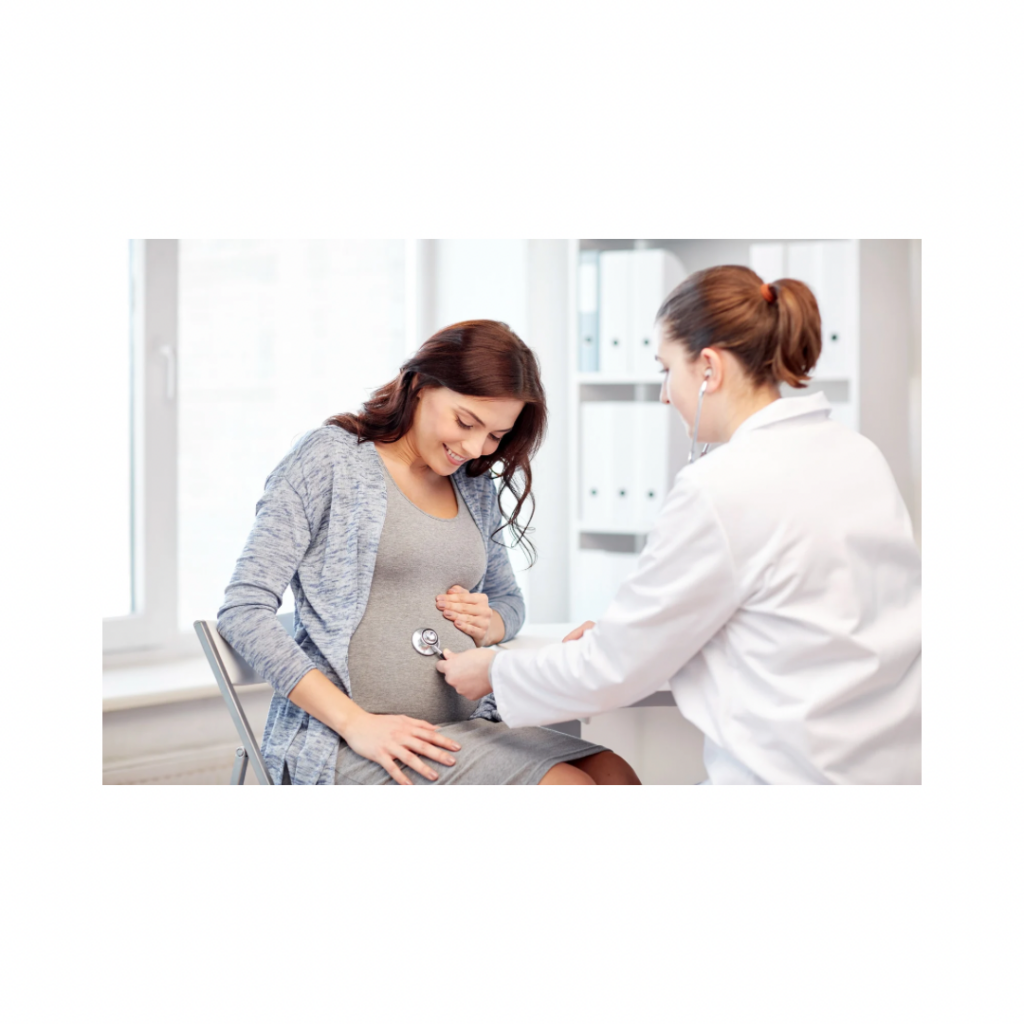
Our High-Risk Pregnancy Care in Nellore
At Dr. Rohini’s Gynaec, Infertility & Maternity Clinic, high-risk pregnancy care is tailored to the individual needs of each mother.
Depending on your pregnancy and medical history, care may include:
- Early pregnancy risk assessment
- Individualised antenatal care
- Regular maternal health assessment
- Blood pressure monitoring
- Blood sugar monitoring
- Management of pregnancy-related medical conditions
- Fetal growth and wellbeing monitoring
- High-risk pregnancy ultrasound coordination
- Assessment of fetal movements
- Preterm labour risk assessment
- Nutrition and lifestyle guidance
- Medication monitoring when required
- Delivery planning
- Post-delivery follow-up
Investigations and specialist referrals are recommended when clinically appropriate.
How We Monitor Mother and Baby
High-risk pregnancy care is not the same for every woman.
Your monitoring plan may include:
Maternal monitoring
Blood pressure, blood sugar, weight, symptoms and other relevant health parameters.
Fetal monitoring
Fetal growth, fetal movements and ultrasound assessment when clinically indicated.
Laboratory investigations
Blood and urine tests or other investigations depending on your medical condition and pregnancy stage.
Ultrasound monitoring
Appropriate scans may be advised to assess fetal growth, wellbeing, placenta and other pregnancy-related concerns.
Delivery planning
The timing and mode of delivery are planned according to the condition of the mother, baby and pregnancy.
Why Early High-Risk Pregnancy Assessment Matters
Early assessment can help your obstetrician understand potential risks and develop an appropriate monitoring plan.
It may help with:
- Identifying risk factors early
- Monitoring maternal health more closely
- Monitoring fetal growth and wellbeing
- Detecting pregnancy complications at an appropriate stage
- Planning investigations and treatment when needed
- Preparing for delivery based on the individual pregnancy
- Providing continuity of care throughout pregnancy
The goal is not simply to label a pregnancy as “high-risk,” but to understand what the individual risk is and how it should be managed.
Warning Signs During Pregnancy You Should Not Ignore
Contact your doctor or seek urgent medical attention if you experience symptoms such as:
- Vaginal bleeding
- Severe abdominal or pelvic pain
- Severe headache or blurred vision
- Sudden swelling of the face or hands
- Reduced or absent fetal movements after movements have been established
- Sudden leaking of fluid from the vagina
- High fever
- Severe breathlessness
- Chest pain
- Any sudden or concerning change in your health
If you are experiencing a severe or emergency symptom, seek immediate medical care rather than waiting for a routine appointment.
Can a High-Risk Pregnancy Have a Normal Delivery?
Yes. A high-risk pregnancy does not automatically mean that a cesarean delivery is required.
The mode and timing of delivery depend on several factors, including:
- The mother’s medical condition
- The baby’s health and growth
- Placental position and function
- Previous obstetric history
- Gestational age
- Fetal presentation
- Progress of labour
- Any complications that develop during pregnancy
The safest delivery plan is determined individually for each mother and baby.

Why Choose Dr. Rohini for High-Risk Pregnancy Care in Nellore?
Dr. Rohini combines experienced obstetric care with a personalised approach to pregnancy management.
15 Years of Experience
Experienced in managing a wide range of women’s health, pregnancy and obstetric concerns.
Individualised Pregnancy Care
Every pregnancy is different. Monitoring and investigations are planned according to your medical history and pregnancy needs.
Focus on Maternal and Fetal Wellbeing
Care focuses on the health and safety of both mother and baby throughout pregnancy.
Evidence-Based Approach
Investigations and treatment recommendations are based on your clinical situation and established medical practice.
Clear Pregnancy and Delivery Planning
Women and families are guided through important decisions regarding monitoring, investigations and delivery planning.
Continuity of Care
From pregnancy assessment through antenatal care and postpartum follow-up, the aim is to provide consistent and compassionate support.
What is a high-risk pregnancy?
A high-risk pregnancy is one where the mother or baby has a higher chance of complications due to conditions like high blood pressure, diabetes, thyroid disorders, age factors, or previous pregnancy complications.
Who is considered a high-risk pregnancy patient?
You may be considered high-risk if you:
Are above 35 years
Have diabetes or hypertension
Have thyroid problems
Had previous miscarriages or complications
Are carrying twins
👉 Such pregnancies need careful monitoring.
What complications can occur in high-risk pregnancy?
Possible complications include:
Preterm delivery
High blood pressure
Gestational diabetes
Growth problems in baby
👉 Early detection helps manage risks effectively.
How is high-risk pregnancy managed?
Management includes:
Regular check-ups
Ultrasound monitoring
Blood tests
Medication if needed
👉 Close monitoring ensures safety of both mother and baby.
Can high-risk pregnancy result in normal delivery?
Yes, in many cases normal delivery is possible with proper care and monitoring.
👉 The mode of delivery depends on the condition of mother and baby.
When should I consult a doctor for high-risk pregnancy?
You should consult early in pregnancy or even before conception if you have known medical conditions.
👉 Early care significantly improves outcomes.
Is high-risk pregnancy dangerous?
It carries higher risk, but with proper medical care, most women have healthy pregnancies and safe deliveries.
Why choose Dr. Rohini for high-risk pregnancy care in Nellore?
Dr. Rohini provides careful monitoring, personalized care, and timely intervention to ensure the best outcomes for both mother and baby.
Do high-risk pregnancies always need cesarean delivery?
No. Many high-risk pregnancies can have normal delivery depending on the situation.
👉 Decision is made based on safety.
Which is the best doctor for high-risk pregnancy in Nellore?
The best doctor is one who provides close monitoring, early diagnosis, and personalized care. At Dr. Rohini’s Clinic, we focus on ensuring safe pregnancy and healthy delivery with expert care.
Book High-Risk Pregnancy Consultation in Nellore
If you have been told that your pregnancy is high-risk, or if you have a medical or pregnancy history that concerns you, early obstetric assessment can help you understand your individual risks and care plan.
Dr. U.V. Rohini
Obstetrician & Gynecologist
Dr. Rohini’s Gynaec, Infertility & Maternity Clinic
Shine Hospital, Mini Bypass Road, Nellore
Call for an appointment:
9490880960 | 9346423765
Personalised pregnancy care. Close monitoring. Compassionate support.
👉 Book Your Pregnancy Consultation Today
ACOG – Preeclampsia and High Blood Pressure During Pregnancy