Questions Patients Ask Before Laparoscopic Hysterectomy | Dr. Rohini
“Doctor, do I really need surgery? Will I recover quickly? Will it affect my hormones or married life?”
These are some of the most common questions women ask before a laparoscopic hysterectomy. Feeling anxious before surgery is completely natural, especially when there is so much conflicting information online.
In this article, I’ll answer the questions I hear most often in my consultations, explain what to expect before and after surgery, and help you understand when laparoscopic hysterectomy may be the right treatment option.
Quick Answer
Women considering laparoscopic hysterectomy often ask whether surgery is necessary, if their ovaries will be removed, how long recovery takes, and whether it causes menopause. The answers depend on the woman’s diagnosis, age, symptoms, and treatment goals. A personalized consultation with an experienced gynecologist helps determine the most appropriate treatment.

Table of Contents
What Is Laparoscopic Hysterectomy?
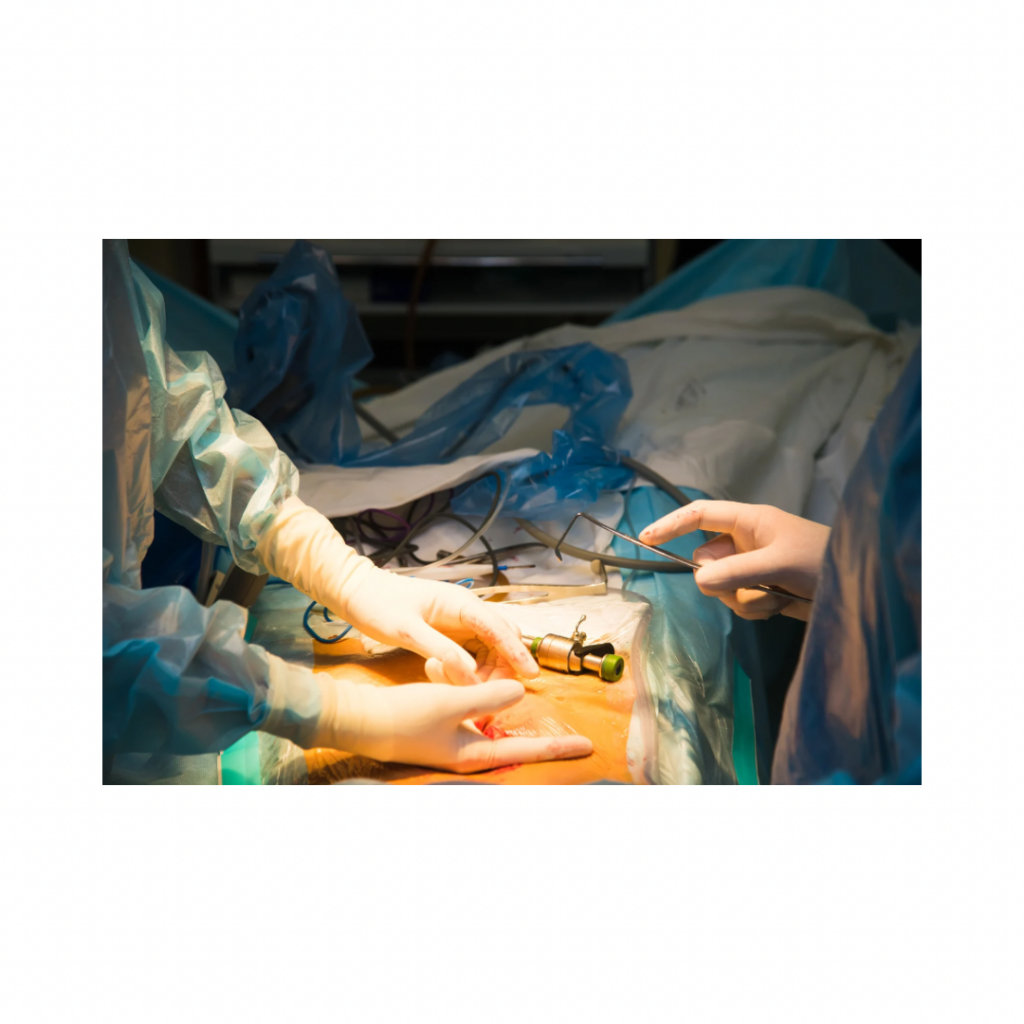
A laparoscopic hysterectomy is a minimally invasive surgery performed to remove the uterus through small keyhole incisions using a camera and specialized instruments.
Depending on the medical condition, the surgery may involve removal of:
- Only the uterus
- Uterus and cervix
- Uterus with fallopian tubes
- Uterus with ovaries (only when medically indicated)
Compared with traditional open surgery, laparoscopic hysterectomy usually results in:
- Smaller scars
- Less blood loss
- Reduced postoperative pain
- Faster recovery
- Earlier return to normal activities
Why Is Laparoscopic Hysterectomy Recommended?
Your gynecologist may recommend this procedure for conditions such as:
- Symptomatic uterine fibroids
- Heavy menstrual bleeding not responding to treatment
- Adenomyosis
- Chronic pelvic pain caused by uterine disease
- Uterine prolapse (selected cases)
- Certain precancerous or cancerous conditions (depending on individual evaluation)
Not every woman with these conditions requires surgery. The decision depends on age, symptoms, fertility wishes, overall health, and response to other treatments.
Who Is a Candidate?
Women may be suitable candidates if they:
- Have completed their family
- Have severe symptoms affecting daily life
- Have failed medical treatment
- Need definitive treatment for uterine disease
During consultations, I explain that surgery is individualized. Two women with the same diagnosis may require completely different treatment plans.
Questions Patients Commonly Ask Before Surgery
1. Do I really need a hysterectomy?
One of the first questions patients ask is whether surgery is absolutely necessary.
In my clinical practice, I always discuss available alternatives whenever appropriate. Some women improve with medicines, hormonal treatment, or less invasive procedures. Others achieve better long-term relief through surgery.
The decision depends on your diagnosis, severity of symptoms, age, and future pregnancy plans.
2. Why laparoscopic surgery instead of open surgery?
Laparoscopic surgery generally offers:
- Smaller incisions
- Less postoperative discomfort
- Shorter hospital stay
- Faster recovery
- Lower risk of wound infection
However, not every patient is suitable for laparoscopy. The safest surgical approach depends on the individual case.
3. Will my ovaries be removed?
Many women believe that hysterectomy always includes removal of the ovaries.
This is not true.
If the ovaries are healthy, especially in younger women, they are often preserved. Removal depends on age, medical condition, family history, and surgical findings.
4. Will I enter menopause after surgery?
Removing only the uterus does not automatically cause menopause if the ovaries remain intact.
If the ovaries need to be removed, menopause occurs immediately because the body’s estrogen production decreases significantly.
5. Can I have children after hysterectomy?
No.
Because the uterus is removed, pregnancy is no longer possible after hysterectomy.
This is why fertility goals are always discussed before recommending surgery.
6. How long is recovery?
Recovery varies between individuals.
Typical recovery includes:
- Walking within hours after surgery
- Light household activities in 1–2 weeks
- Return to office work in approximately 2–4 weeks (depending on recovery and job demands)
- Full recovery may take about 4–6 weeks
Always follow your surgeon’s advice, as recovery timelines can differ.
7. Will surgery affect my married life?
Many women worry that intimacy will be affected permanently.
Once healing is complete and your gynecologist confirms recovery, most women can resume sexual activity safely. Relief from chronic pain or heavy bleeding may even improve quality of life for some women.
8. What are the risks?
Like any surgery, laparoscopic hysterectomy carries potential risks, including:
- Bleeding
- Infection
- Injury to nearby organs
- Blood clots
- Rare need to convert to open surgery
Your surgeon will discuss these risks in the context of your individual health.
9. What tests are done before surgery?
Common preoperative evaluation may include:
- Blood tests
- Ultrasound
- ECG (if indicated)
- Chest evaluation (when necessary)
- Medical fitness assessment
- Review of current medications
10. What should I do before surgery?
Patients are usually advised to:
- Stop smoking if applicable
- Control diabetes and blood pressure
- Discuss all medications with the doctor
- Follow fasting instructions before surgery
- Arrange help at home for the first few days after discharge
Diagnosis Before Deciding on Surgery
Before recommending hysterectomy, your gynecologist may evaluate:
- Medical history
- Pelvic examination
- Ultrasound
- Blood investigations
- Pap smear when indicated
- Endometrial evaluation if required
The diagnosis helps determine whether hysterectomy is the best option or if other treatments are appropriate.
Treatment Options Before Hysterectomy
Depending on the condition, treatment may include:
- Medicines
- Hormonal therapy
- Intrauterine devices (in selected cases)
- Myomectomy for women wishing to preserve fertility
- Endometrial procedures (selected patients)
- Laparoscopic hysterectomy when appropriate
Treatment should always be individualized.
Can Hysterectomy Be Prevented?
Not every condition can be prevented.
However, early evaluation of symptoms such as heavy bleeding, pelvic pain, or enlarging fibroids may allow treatment before symptoms become severe.
Regular gynecological check-ups also help identify problems earlier.
What I Commonly See in My Practice
Many women I consult postpone surgery for months or even years because they are afraid of the word “hysterectomy.”
One common misconception I frequently see is that removing the uterus automatically means losing femininity or entering menopause. In reality, these concerns depend on whether the ovaries are preserved and the underlying medical condition.
I usually recommend that patients focus on understanding why surgery is being advised rather than relying on frightening stories from social media or acquaintances. Every woman’s health condition is unique, and the right decision comes after a thorough medical evaluation.
Common Myths
Myth: Every hysterectomy removes the ovaries.
Fact: Healthy ovaries are often preserved when appropriate.
Myth: Recovery takes several months.
Fact: Most women recover much faster after laparoscopic surgery than after open surgery.
Myth: Hysterectomy always causes menopause.
Fact: Menopause depends primarily on whether the ovaries are removed.
Myth: Surgery is always the first treatment.
Fact: Many women can be managed with medications or other procedures before surgery is considered.
Myth: Every woman with fibroids needs hysterectomy.
Fact: Treatment depends on symptoms, age, fibroid size, and fertility goals.
Frequently Asked Questions
Is laparoscopic hysterectomy painful?
Pain is usually manageable with prescribed medications and often less than with open surgery.
How many days will I stay in the hospital?
Many women stay for one to three days, depending on recovery and medical needs.
When can I walk after surgery?
Walking is usually encouraged within hours after surgery unless your doctor advises otherwise.
Can fibroids come back after hysterectomy?
No. Since the uterus is removed, uterine fibroids cannot recur.
Will I gain weight after hysterectomy?
Hysterectomy itself does not directly cause weight gain. Lifestyle, age, and hormonal factors may influence weight over time.
Can I climb stairs?
Usually yes, with care, following your surgeon’s advice.
When can I drive?
Typically after you are comfortable, off strong pain medication, and your doctor confirms it is safe.
Is laparoscopic hysterectomy safe?
For appropriately selected patients, it is a well-established and commonly performed procedure by trained surgeons.
Will I need follow-up visits?
Yes. Follow-up appointments help monitor healing and address any concerns.
Can I return to work quickly?
Many women return to desk-based work within a few weeks, depending on recovery and the nature of their job.
Key Takeaways
- Laparoscopic hysterectomy is a minimally invasive option for many uterine conditions.
- Surgery is recommended only after careful evaluation.
- Not every woman needs her ovaries removed.
- Recovery is generally faster than open surgery.
- Treatment decisions should always be individualized.
- Discuss all concerns with your gynecologist before making a decision.

When to See a Gynecologist
Book a consultation if you experience:
- Heavy menstrual bleeding
- Large fibroids
- Persistent pelvic pain
- Recurrent anemia due to menstrual blood loss
- Adenomyosis symptoms
- Uterine prolapse
- Symptoms affecting your quality of life despite treatment
Conclusion
Choosing whether to undergo a laparoscopic hysterectomy is a significant decision. The best choice depends on your symptoms, diagnosis, future health goals, and a thorough discussion with your gynecologist. Understanding the procedure, asking questions, and knowing your treatment options can help you make an informed decision with confidence.
Call to Action
If you are considering laparoscopic hysterectomy or would like a second opinion for fibroids, heavy menstrual bleeding, adenomyosis, or other gynecological concerns, schedule a consultation with Dr. Rohini’s Gynaecology, Infertility & Maternity Clinic.
📍 Address:
Dr. Rohini’s Gynaecology, Infertility & Maternity Clinic
Shine Hospital, Mini ByPass Road, Nellore, Andhra Pradesh
📞 Phone: +91 94908 80960 or 9346423765
🌐 Website: www.drrohinigynae.com
Every woman’s health needs are unique. A personalized consultation can help determine the most appropriate treatment plan based on your symptoms, medical history, and future health goals.
Suggested External Authoritative References
- World Health Organization (WHO): https://www.who.int
- American College of Obstetricians and Gynecologists (ACOG): https://www.acog.org
- Royal College of Obstetricians and Gynaecologists (RCOG): https://www.rcog.org.uk
- NHS: https://www.nhs.uk
Reviewed by Dr. Rohini, Experienced Gynecologist, Infertility & Maternity Specialist, Nellore.