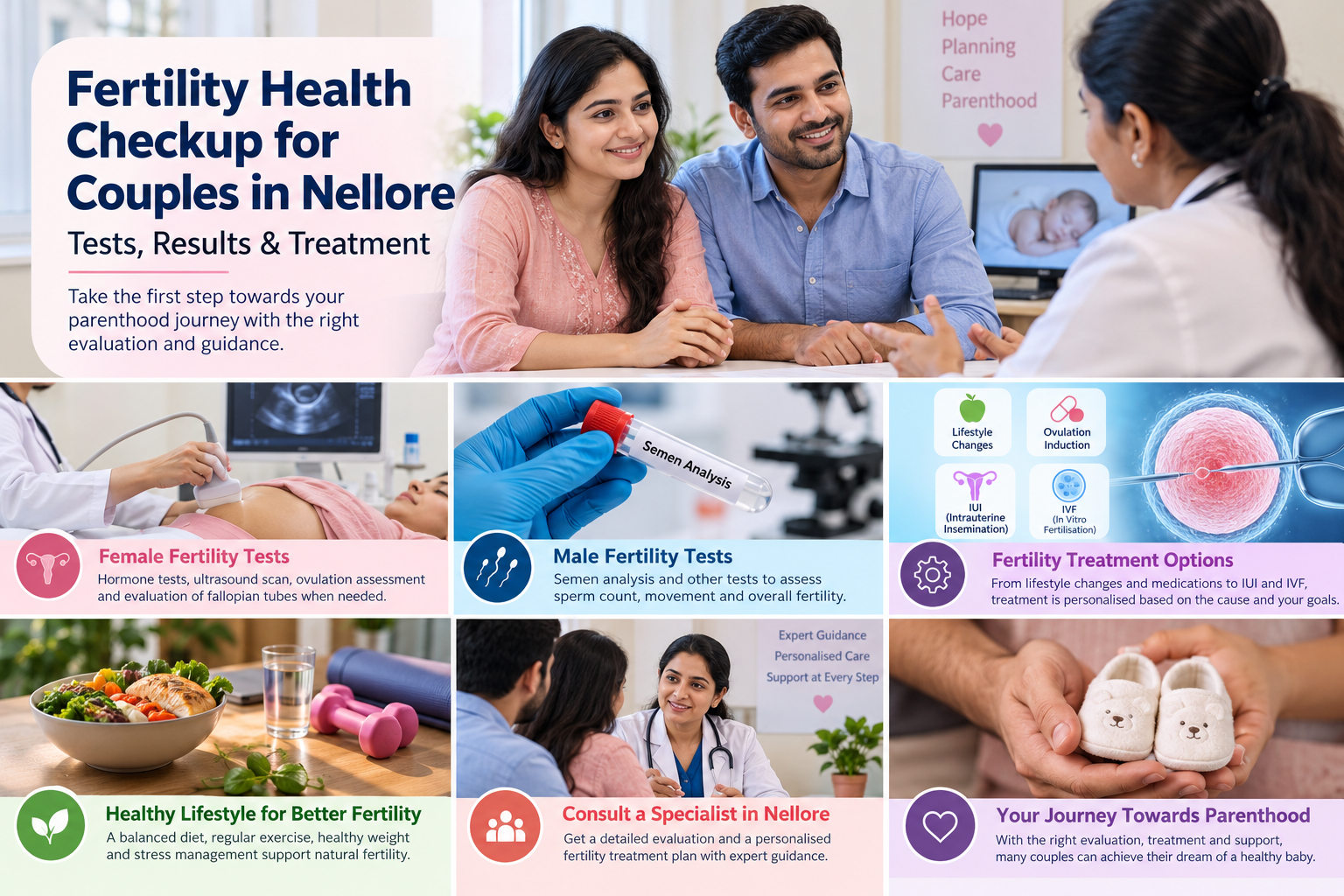
First Pregnancy Visit: 10 Questions Every Pregnant Woman Asks
Your first pregnancy visit is one of the most important appointments of your pregnancy. It is the time to confirm your pregnancy, understand your baby’s development, discuss essential tests, and receive personalized guidance for a healthy journey ahead.
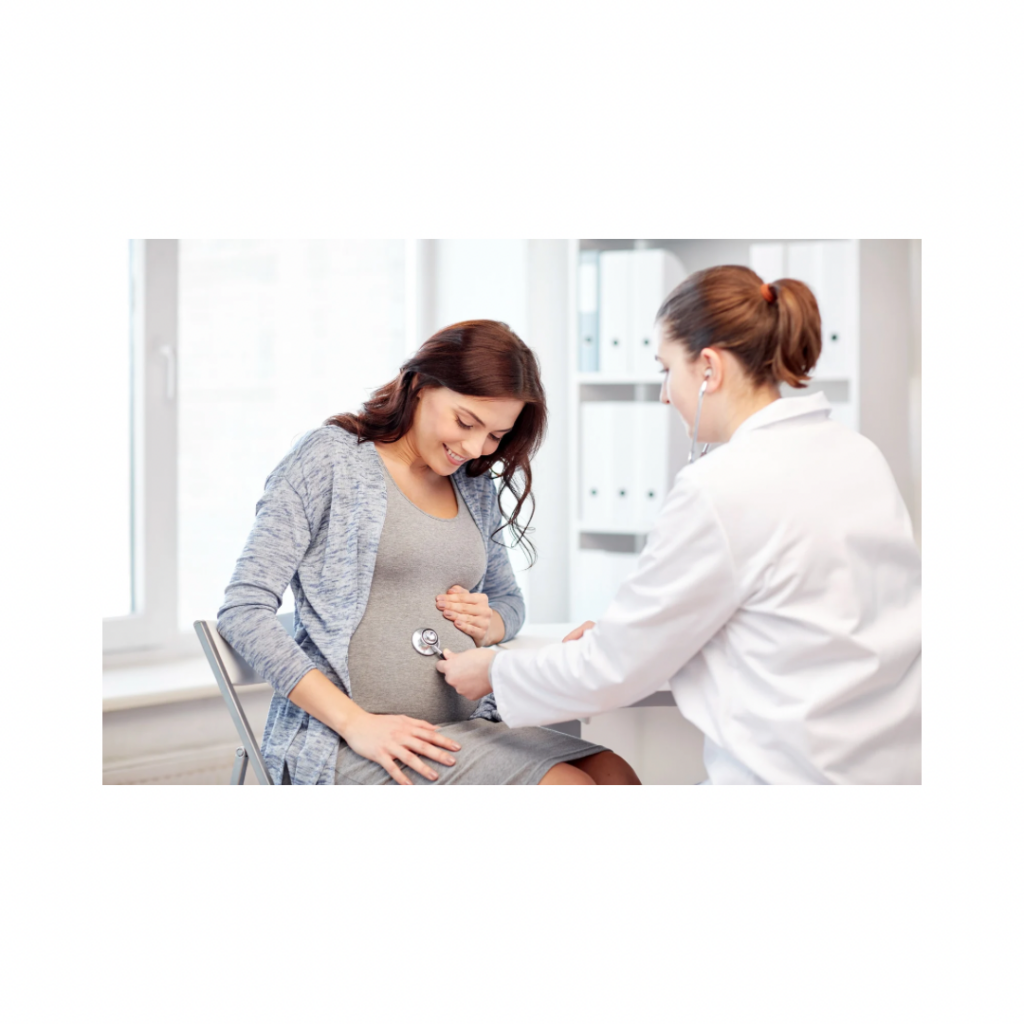
In my clinical practice, many women arrive feeling both excited and anxious. During consultations, patients often ask similar questions about diet, medicines, scans, exercise, warning signs, and what to expect over the coming months. These are completely normal concerns, and asking them early helps you make informed decisions throughout your pregnancy.
In this article, I’ll answer the 10 most common questions women ask during their first pregnancy visit, along with practical advice I regularly share with my patients.Early antenatal care helps your gynaecologist assess your health, estimate your due date and plan appropriate pregnancy care. Learn more from the American College of Obstetricians and Gynecologists (ACOG) guide to prenatal care.
Table of Contents
Why the First Pregnancy Visit Matters
The first prenatal visit lays the foundation for a healthy pregnancy.
It helps your gynecologist:
- Confirm the pregnancy
- Estimate your due date
- Assess your overall health
- Identify medical conditions that may require closer monitoring
- Recommend necessary blood tests and scans
- Start pregnancy vitamins
- Guide you on diet, exercise, and lifestyle
In my clinical practice, this visit is not just about prescribing medicines—it’s about helping women understand what lies ahead and answering their concerns with evidence-based advice.
1. Is My Pregnancy Normal?
This is usually the very first question.
Many women experience:
- Mild abdominal cramps
- Breast tenderness
- Nausea
- Fatigue
- Mood changes
These symptoms are often normal in early pregnancy.
However, severe pain, heavy bleeding, fainting, or persistent vomiting should always be evaluated promptly.
I usually reassure women that every pregnancy is unique. Comparing symptoms with friends or social media often creates unnecessary stress.
2. How Far Along Am I?
Your pregnancy is generally calculated from the first day of your last menstrual period (LMP).
An early ultrasound may be recommended to:
- Confirm pregnancy location
- Estimate gestational age
- Check fetal heartbeat
- Identify multiple pregnancies
Accurate dating is important because it guides future scans, screening tests, and delivery planning.
3. What Tests Will I Need?
During consultations, patients often ask whether all blood tests are really necessary.
Common early pregnancy investigations may include:
- Blood group and Rh type
- Complete blood count
- Blood sugar screening
- Thyroid function (when indicated)
- Urine examination
- Screening for infections as recommended
- Early ultrasound
The exact tests vary depending on your age, medical history, and previous pregnancies.
4. Which Medicines and Vitamins Should I Take?
One common misconception I frequently see is that taking more supplements leads to a healthier baby.
In reality, supplements should only be taken as advised by your doctor.
Depending on your individual needs, your doctor may recommend:
- Folic acid
- Iron
- Calcium
- Vitamin D
- Other supplements when medically indicated
Avoid starting over-the-counter medicines without medical advice.
5. What Foods Should I Eat—and Avoid?
Nutrition is one of the biggest concerns during the first visit.The WHO recommendations on antenatal care provide further information about nutrition and pregnancy care.
I usually recommend:
Eat more
- Fresh fruits
- Vegetables
- Whole grains
- Milk and dairy products
- Protein-rich foods
- Plenty of water
Limit or avoid
- Alcohol
- Smoking
- Unpasteurized dairy products
- Undercooked meat or eggs
- Excess caffeine
A balanced diet is far more important than “eating for two.”

6. Can I Continue Working and Exercising?
For most women with uncomplicated pregnancies, the answer is yes.
Safe activities often include:
- Walking
- Prenatal yoga
- Gentle stretching
- Light household work
Exercise recommendations vary depending on your medical condition and pregnancy risk.
Women with bleeding, placenta-related problems, or certain medical complications may require activity modifications.
7. When Is My Baby Due?
Your estimated due date (EDD) is calculated using:
- Last menstrual period
- Early ultrasound if needed
Remember that only a small percentage of babies are born exactly on the due date.
The due date is a useful estimate rather than a fixed deadline.
8. What Symptoms Should Worry Me?
Knowing warning signs helps prevent delays in seeking medical care.
Seek immediate medical attention if you experience:
- Heavy vaginal bleeding
- Severe abdominal pain
- Persistent vomiting
- High fever
- Leakage of fluid
- Severe headache
- Blurred vision
- Reduced fetal movements later in pregnancy
Never ignore symptoms because someone else tells you they are “normal.”

9. How Often Will I Need Pregnancy Check-ups?
Prenatal visits become more frequent as pregnancy progresses.
Regular follow-ups allow your doctor to:
- Monitor baby’s growth
- Check maternal blood pressure
- Screen for complications
- Answer new questions
- Plan future investigations
Skipping appointments may delay the detection of conditions that are easier to manage when identified early.Read the NHS guide to antenatal care and appointments for additional information.
10. Can I Have a Normal Delivery?
Almost every expectant mother asks this question during her first visit.
The answer depends on several factors, including:
- Baby’s position
- Mother’s health
- Pregnancy complications
- Previous deliveries
- Progress during labor
In my clinical practice, I encourage women to focus on maintaining a healthy pregnancy rather than deciding the mode of delivery months in advance. The safest option is chosen based on the health of both mother and baby.
What I Commonly See in My Practice
Many women I consult arrive after reading conflicting information online.
Some are worried because they don’t have morning sickness.
Others panic after seeing minor spotting.
Many delay their first visit because they assume they should wait until the second trimester.
I usually recommend scheduling the first prenatal consultation soon after a positive pregnancy test. Early care allows us to identify any concerns, start appropriate supplements, discuss healthy habits, and answer questions before anxiety builds.
One common misconception I frequently see is that every pregnancy follows the same timeline. In reality, symptoms, investigations, and care plans vary from one woman to another based on her medical history and pregnancy risk.
Common Myths
Myth: Morning sickness is necessary for a healthy pregnancy.
Fact: Many healthy pregnancies have little or no nausea.
Myth: You should eat for two.
Fact: Pregnancy requires balanced nutrition, not double portions.
Myth: Exercise harms the baby.
Fact: Most healthy pregnancies benefit from appropriate physical activity.
Myth: Every pregnancy needs bed rest.
Fact: Routine bed rest is rarely recommended.
Myth: Google can replace prenatal visits.
Fact: Online information is educational but cannot replace individualized medical care.
Frequently Asked Questions
When should I schedule my first pregnancy visit?
Ideally within the first few weeks after a positive pregnancy test.
Do I always need an ultrasound?
Your doctor will recommend the appropriate timing based on your pregnancy.
Can I travel during early pregnancy?
Many women can travel safely, but it depends on individual circumstances.
Is spotting normal?
Light spotting may occur, but any bleeding should be discussed with your doctor.
Can I continue taking my regular medicines?
Only after reviewing them with your obstetrician.
What should I bring to my first appointment?
Previous medical records, medication list, scan reports, and details of your last menstrual period.
Do all pregnant women need vitamin supplements?
Most women require specific pregnancy supplements, but recommendations differ.
How can I reduce pregnancy anxiety?
Regular check-ups, reliable information, healthy habits, and open communication with your doctor help significantly.
Can I have intercourse during pregnancy?
Many women with uncomplicated pregnancies can, but individual advice varies.
When should I call my doctor urgently?
If you have severe pain, heavy bleeding, persistent vomiting, fever, or any concerning symptoms.
Key Takeaways
- Your first pregnancy visit is an opportunity to ask questions and understand your pregnancy.
- Early prenatal care helps identify potential concerns before they become serious.
- Every pregnancy is unique, and treatment plans should be individualized.
- Reliable medical guidance is more valuable than online myths or anecdotal advice.
- Regular follow-up appointments are essential for monitoring both mother and baby.

When to See a Gynecologist
Book an appointment promptly if you:
- Have a positive pregnancy test
- Experience vaginal bleeding
- Have severe abdominal pain
- Have repeated miscarriages
- Have diabetes, hypertension, thyroid disease, or other chronic conditions
- Are carrying twins or higher-order multiples
- Are over 35 years of age or have a high-risk pregnancy history
Early assessment allows timely investigations and personalized pregnancy care.
Conclusion
The first pregnancy visit is much more than a routine check-up—it is the beginning of a partnership between you and your obstetrician. Asking questions, understanding your pregnancy, and following evidence-based advice can make this journey safer and more reassuring.
Every woman experiences pregnancy differently. Rather than relying on myths or social media, seek guidance tailored to your health, medical history, and pregnancy.
Call to Action
Ready for Your First Pregnancy Visit?
If you’ve recently had a positive pregnancy test or are planning your first prenatal check-up, don’t wait to get the guidance you need. Early prenatal care can help identify potential concerns, answer your questions, and support a healthy pregnancy from the very beginning.
Book your First Pregnancy Visit with Dr. Rohini, Experienced Gynecologist, Infertility & Maternity Specialist, for personalized, evidence-based pregnancy care tailored to you.
📍 Dr. Rohini’s Gynaecology, Infertility & Maternity Clinic
Shine Hospital, Mni bypass road, Nellore, Andhra Pradesh
📞 Call: +91 9490880960 or 9346423765
Take the first step toward a healthy and confident pregnancy with compassionate care from Dr. Rohini.
References
- World Health Organization (WHO). WHO Recommendations on Antenatal Care for a Positive Pregnancy Experience.
- American College of Obstetricians and Gynecologists (ACOG). Pregnancy and Prenatal Care.
- Royal College of Obstetricians and Gynaecologists (RCOG). Patient Information: Pregnancy.
- National Health Service (NHS). Your Pregnancy and Baby Guide.