7 Ways for Period Pain Relief at Home — and When to See a Gynecologist
Period Pain: Is It Normal?
Period cramps are common, but severe or progressively worsening period pain should not simply be accepted as “normal.”
Mild-to-moderate cramps around the beginning of menstruation are often caused by contractions of the uterus. These contractions are influenced by chemicals called prostaglandins.
But there is an important distinction between common period discomfort and pain that interferes with your life.
If your period pain regularly makes you miss college, work, exercise, social activities or sleep, it deserves attention. Very painful periods can sometimes be associated with conditions such as endometriosis, adenomyosis, fibroids or pelvic inflammatory disease.
So, what can you do at home?
Here are seven practical measures that may help.
1. Use Heat on Your Lower Abdomen
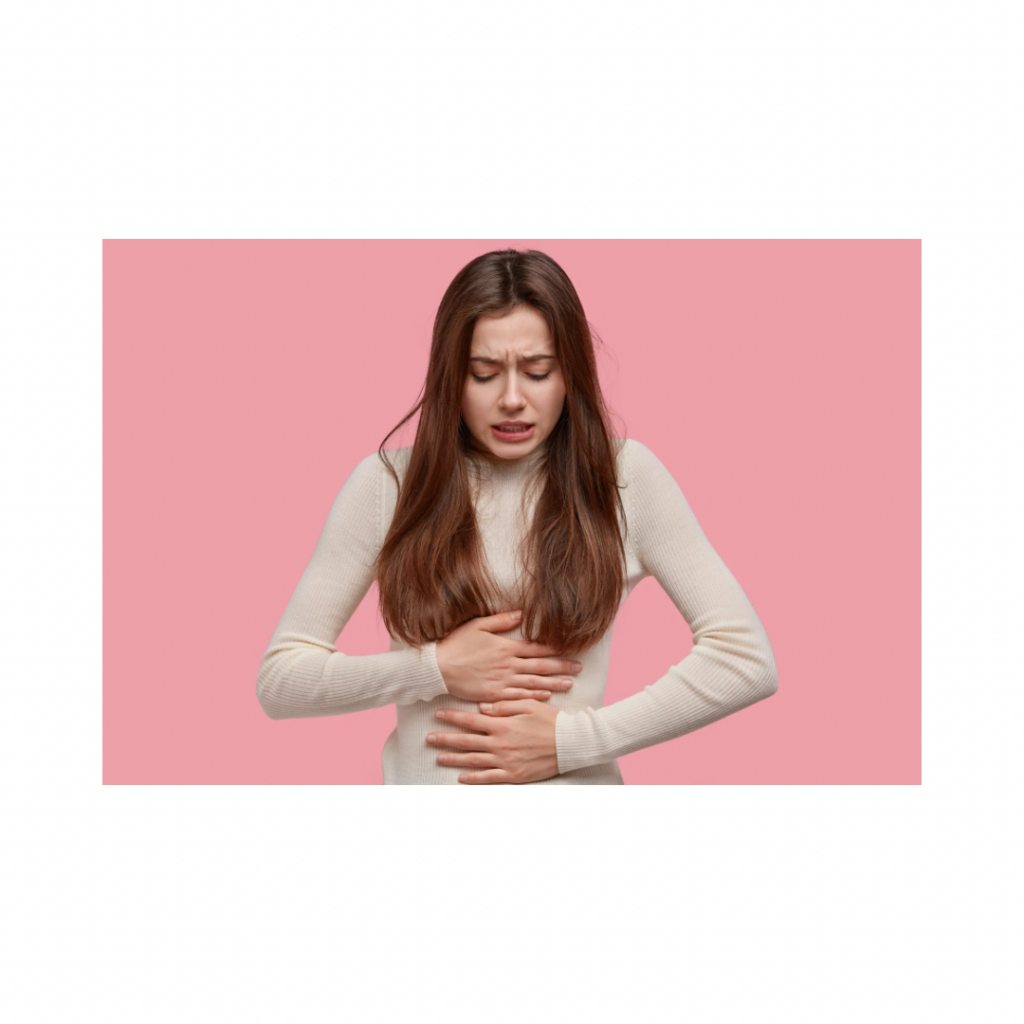
One of the simplest things you can try is local heat.
A heating pad or hot-water bottle wrapped appropriately can be placed over the lower abdomen. A warm bath or shower may also help relax the muscles and make cramps easier to tolerate.
How to use heat safely
- Use comfortably warm rather than excessively hot temperatures.
- Avoid falling asleep with a heating device directly against your skin.
- Check your skin regularly to prevent burns.
- A warm bath may be particularly helpful when cramps are accompanied by back discomfort.
Clinical pearl: You don’t have to wait until the pain becomes severe before using heat. If your cramps predictably start around the beginning of your period, using heat early may make the episode easier to manage.
2. Consider an Appropriate Pain Reliever
Anti-inflammatory pain medicines, known as NSAIDs, can be effective for menstrual cramps because they reduce the production of prostaglandins involved in uterine contractions and pain.
Common examples include medicines such as ibuprofen or naproxen. Some women may also use other pain-relieving medicines depending on their circumstances.
However, painkillers are not suitable for everyone.
For example, some people may need to avoid NSAIDs because of certain stomach, kidney, liver, heart or asthma-related problems, or because of other medicines they are taking.
A common mistake
Many women wait until their pain becomes unbearable before taking medication.
If you have predictable menstrual cramps, discuss the appropriate medicine and timing with your doctor rather than repeatedly self-medicating after the pain becomes severe.
Never exceed the recommended dose on the medicine label or the dose advised by your doctor.
3. Try Gentle Exercise
When you have cramps, lying in bed may seem like the only option.
But gentle movement can help some women.
You could try:
- Walking
- Gentle stretching
- Yoga
- Light cycling
- Swimming
The NHS specifically recommends gentle exercise such as walking, yoga, swimming or cycling as one measure that may help period pain.
You don’t need to do a strenuous workout.
Even a short, comfortable walk may be worth trying if you feel well enough.
Remember
Exercise should not be used to “push through” severe pain. If movement makes your pain significantly worse, stop and consider getting medical advice.
4. Try Gentle Abdominal or Back Massage
Some women find that gently massaging the lower abdomen or lower back provides comfort during menstrual cramps.
You can combine gentle massage with warmth, such as after a warm shower.
The goal is relaxation rather than vigorous pressure.
If touching the abdomen causes significant pain, however, that is worth discussing with a doctor rather than simply continuing massage.
5. Prioritise Sleep, Rest and Stress Management
Period pain can be exhausting.
Pain can interfere with sleep, and poor sleep can make coping with pain more difficult.
During your period, try to:
- Maintain a regular sleep schedule.
- Give yourself adequate rest.
- Avoid unnecessarily strenuous activity when you feel unwell.
- Use relaxation techniques such as slow breathing.
- Reduce stress where possible.
These measures do not treat an underlying condition such as endometriosis or fibroids, but they can form part of an overall strategy for managing discomfort.
6. Pay Attention to Hydration and Your Overall Diet
Staying adequately hydrated is sensible during menstruation, particularly if you are also experiencing bloating, loose stools or reduced appetite.
Rather than searching for a single “period pain food,” focus on a balanced diet containing:
- Vegetables and fruits
- Whole grains
- Protein-rich foods
- Adequate fluids
- Iron-rich foods when appropriate
If your periods are heavy, your doctor may also want to assess whether you have iron deficiency or anaemia.
One common misconception I frequently see: women are sometimes given long lists of foods that supposedly “cure” period pain. There is no single food that can reliably eliminate significant menstrual pain, particularly when the pain is caused by an underlying gynaecological condition.
7. Track Your Period and Pain Pattern
This is one of the most useful habits, especially if your pain is recurring.
For a few cycles, record:
- First day of your period
- How many days bleeding lasts
- Pain severity
- When the pain starts
- How long it lasts
- Whether pain affects work, school or sleep
- Amount of bleeding
- Pain during sexual intercourse
- Pain while passing urine or stool
- Bleeding between periods
- Medicines you used and whether they helped
A menstrual diary can give your gynecologist a much clearer picture of your symptoms.
Why this matters
There is a big difference between:
“My periods are painful.”
and:
“My pain starts two days before my period, is severe for the first two days, makes me miss work, and does not improve with the usual pain medicine.”
The second description gives your doctor much more useful clinical information.
Why Does Period Pain Happen?
Typical menstrual cramps occur because the uterus contracts during menstruation.
These contractions are associated with prostaglandins, which contribute to pain and inflammation.
For some women, however, period pain has another cause.
Possible causes of significant or worsening menstrual pain include:
- Endometriosis WHO — Endometriosis
- Adenomyosis
- Fibroids
- Pelvic inflammatory disease
- Other pelvic conditions RCOG — Endometriosis
The WHO notes that very painful, heavy, irregular or otherwise disruptive menstruation can sometimes indicate an underlying health condition.
Who Is More Likely to Need an Evaluation?
You should consider a gynecological evaluation if:
- Your period pain NHS — Period Pain is becoming worse over time.
- Pain prevents you from working, studying or doing normal activities.
- Painkillers no longer provide adequate relief.
- You have very heavy periods. WHO — Menstrual Health
- You have bleeding between periods.
- You have pain during sexual intercourse.
- You have pain while passing urine or stool, particularly around menstruation.
- You have difficulty becoming pregnant.
- You develop persistent pelvic pain outside your period.
These symptoms can occur with endometriosis and other gynaecological conditions.
Could Severe Period Pain Be Endometriosis?
This is one of the questions I frequently hear during consultations.
Endometriosis occurs when tissue similar to the lining of the uterus is found elsewhere in the body, most commonly within the pelvis.
It can cause:
- Severe period pain
- Chronic pelvic pain
- Pain during or after sex
- Pain while passing stool
- Pain while passing urine
- Heavy menstrual bleeding in some patients
- Fatigue
- Difficulty becoming pregnant
Not everyone with endometriosis has the same symptoms, and some people have few or no symptoms.
Importantly, a normal scan does not always exclude endometriosis. Diagnosis depends on the complete clinical picture, examination where appropriate, and investigations selected according to symptoms.

What I Commonly See in My Practice
In my clinical practice, many women initially come with a simple complaint:
“Doctor, I always get severe pain during my periods.”
When we discuss the symptoms in more detail, the picture can be very different.
Some have ordinary menstrual cramps that can be managed conservatively.
Others describe pain that:
- Has progressively increased over several years
- Causes them to miss work or college
- Requires repeated pain medication
- Is associated with heavy bleeding
- Occurs during sexual intercourse
- Continues even after the period ends
- Is associated with bowel or bladder symptoms
These differences matter.
Not every woman with period pain needs the same treatment.
During consultations, patients often ask me:
“Doctor, should I just tolerate this because it happens every month?”
My answer is that recurrent pain that significantly affects your daily life deserves evaluation. Period pain should not automatically be dismissed simply because it occurs every month.
Common Mistakes Women Make With Period Pain
Mistake 1: Assuming severe pain is always normal
Pain that stops your normal activities deserves attention.
Mistake 2: Taking painkillers without considering safety
Repeated or inappropriate medication use can be harmful in some people.
Mistake 3: Waiting for years
If your pain is progressively worsening, don’t keep postponing evaluation.
Mistake 4: Assuming a normal ultrasound means everything is normal
Some conditions, including endometriosis, may not always be visible on routine imaging.
Mistake 5: Focusing only on pain
Your doctor also needs to know about bleeding, bowel symptoms, urinary symptoms, sexual pain and fertility concerns.
Common Myths About Period Pain
Myth 1: “Severe period pain is just part of being a woman.”
Fact: Period pain is common, but severe or disruptive pain may require evaluation for an underlying condition.
Myth 2: “I have to stay in bed during my period.”
Fact: If you feel well enough, gentle physical activity may help some women.
Myth 3: “Painkillers are always harmful.”
Fact: Appropriate pain medication can be useful for menstrual pain, but the right medicine depends on your health and other medications.
Myth 4: “If my ultrasound is normal, I cannot have endometriosis.”
Fact: A normal ultrasound does not necessarily rule out endometriosis.
Myth 5: “If I have painful periods, I will definitely have fertility problems.”
Fact: Painful periods have many possible causes. Some conditions, such as endometriosis, can be associated with fertility difficulties, but painful periods alone do not mean that you are infertile.
How Is Severe Period Pain Diagnosed?
Your evaluation usually begins with a detailed discussion of your symptoms.
Your gynecologist may ask:
- When did the pain begin?
- Is it getting worse?
- How many days does it last?
- Does it occur only during menstruation?
- How heavy is your bleeding?
- Do you have pain during sex?
- Do you have bowel or urinary symptoms?
- Are you trying to conceive?
Depending on your symptoms, your doctor may recommend an examination and investigations such as an ultrasound.
If endometriosis is suspected, additional imaging such as MRI or, in selected circumstances, laparoscopy may be considered.
Treatment Options for Period Pain
Treatment depends on why you have the pain, how severe it is, your age, other health conditions, and whether you want pregnancy now or in the future.
Options may include:
1. Lifestyle and supportive measures
Heat, appropriate exercise, rest and other self-care measures may help.
2. Pain-relieving medication
NSAIDs and other pain-relieving medicines may be used when appropriate.
3. Hormonal treatment
For some women, hormonal treatment can reduce menstrual bleeding and pain. The appropriate option depends on individual circumstances, including contraception and pregnancy plans.
4. Treatment of an underlying condition
If pain is caused by endometriosis, fibroids, adenomyosis, pelvic infection or another condition, treatment should address the underlying problem.
5. Surgery in selected cases
Surgery may be appropriate for some women depending on the underlying diagnosis, severity, symptoms, fertility plans and response to other treatments. It is not automatically required simply because period pain is severe.
Frequently Asked Questions
What is the fastest way to relieve period pain at home?
Heat applied to the lower abdomen, a warm bath, gentle movement and an appropriate pain reliever may help. If pain is severe or repeatedly interferes with daily life, consult a gynecologist rather than relying only on home measures.
Is it normal to have severe period cramps?
Mild-to-moderate cramps are common. However, severe pain that interferes with normal activities, becomes progressively worse or does not respond adequately to treatment should be evaluated.
Does a heating pad help period cramps?
Heat can help ease menstrual pain and is a simple measure that many women can try at home.
Does walking help period pain?
Gentle exercise such as walking, yoga, swimming or cycling may help some women manage menstrual discomfort.
When should I see a gynecologist for period pain?
See a gynecologist if pain is severe, worsening, affecting your daily activities, associated with heavy or irregular bleeding, pain during sex, bowel or urinary symptoms, bleeding between periods, or difficulty becoming pregnant.
Can painful periods be a sign of endometriosis?
Yes. Severe period pain is one of the common symptoms of endometriosis, although many other conditions can also cause painful periods.
Can endometriosis be present even if my scan is normal?
Yes. Endometriosis does not always appear on ultrasound or MRI, so your symptoms and clinical history remain important.
Can period pain affect fertility?
Some causes of painful periods, particularly endometriosis, can be associated with difficulty conceiving. However, having period pain does not automatically mean that you will have fertility problems.
Should I exercise when I have period cramps?
If your symptoms are mild and you feel comfortable, gentle activity may help. Do not force yourself to exercise through severe pain.
Why are my periods becoming more painful as I get older?
A change from your usual menstrual pattern deserves attention. Conditions such as endometriosis, adenomyosis or fibroids can cause worsening pain and should be considered based on your symptoms.
Key Takeaways
- Period pain is common, but severe period pain should not automatically be considered normal.
- Heat, gentle exercise, massage, rest and appropriate pain relief may help.
- Avoid taking medicines repeatedly without considering whether they are safe for you.
- Track your menstrual symptoms and pain pattern.
- Worsening or disruptive pain may indicate an underlying condition.
- Endometriosis, adenomyosis, fibroids and pelvic inflammatory disease can cause significant period pain.
- A normal ultrasound does not always rule out endometriosis.
- Treatment should be personalised according to your symptoms, diagnosis and pregnancy plans.
When Should You See a Gynecologist?
Book a gynecological consultation if:
Your period pain:
- Stops you from working or studying
- Makes you regularly miss normal activities
- Is becoming progressively worse
- Is not adequately controlled with usual measures
- Requires frequent medication
Or if you also have:
- Very heavy periods
- Irregular periods
- Bleeding between periods
- Pain during sex
- Pain while passing stool or urine
- Persistent pelvic pain
- Difficulty conceiving
- Unexplained weight loss, loss of appetite or abdominal swelling
If pelvic or period pain is severe or substantially worse than usual and pain relief has not helped, seek prompt medical assessment.
Conclusion
Period cramps do not have to control your life.
For many women, simple measures such as heat, gentle movement, rest and appropriate medication can make periods more comfortable.
But the most important question is not simply:
“How can I stop my period pain?”
It is:
“Why am I having this much pain?”
If your pain is severe, worsening, affecting your daily life or associated with other symptoms, it may be time to look for an underlying cause rather than repeatedly treating the pain alone.
Your symptoms are worth discussing.
Get Personalised Gynecological Care in Nellore
If painful periods are affecting your daily life, a personalised evaluation can help identify whether you are experiencing ordinary menstrual cramps or whether another gynaecological condition may be contributing to your symptoms.
Dr. Rohini’s Gynaecology, Infertility & Maternity Clinic, Nellore provides personalised women’s healthcare, including evaluation and treatment of menstrual problems, endometriosis, fibroids, PCOS, infertility and other gynaecological concerns.
Don’t simply suffer through severe period pain every month.
Book a consultation with Dr. Rohini, Experienced Gynecologist, Infertility & Maternity Specialist, Nellore.
Phone Number :9490880960 /9346423765.
Authoritative Medical Resources
For additional information about menstrual pain and conditions that can cause severe period pain, readers can refer to these trusted medical organisations:
- WHO — Endometriosis: WHO — Endometriosis
- NHS — Period Pain: NHS — Period Pain
- RCOG — Endometriosis: RCOG — Endometriosis
- WHO — Menstrual Health: WHO — Menstrual Health