
Endometriosis Treatment in Nellore | Dr. Rohini
Endometriosis treatment in Nellore with personalized evaluation for pelvic pain, painful periods, fertility concerns and endometriosis-related symptoms.
Endometriosis is a condition in which tissue similar to the lining of the uterus grows outside the uterus, commonly around the ovaries, fallopian tubes and pelvic tissues. It can cause painful periods, chronic pelvic pain, pain during intercourse, bowel or bladder symptoms, and sometimes difficulty becoming pregnant.
Severe period pain should not simply be accepted as something you have to live with. If menstrual or pelvic pain is affecting your daily activities, relationships, work or fertility plans, a gynecological evaluation can help identify the possible cause.
At Dr. Rohini’s Gynaec, Infertility and Maternity Clinic in Nellore, the approach to endometriosis focuses on understanding your symptoms, reproductive goals and overall health before deciding whether observation, medication, fertility-focused treatment or surgery may be appropriate.
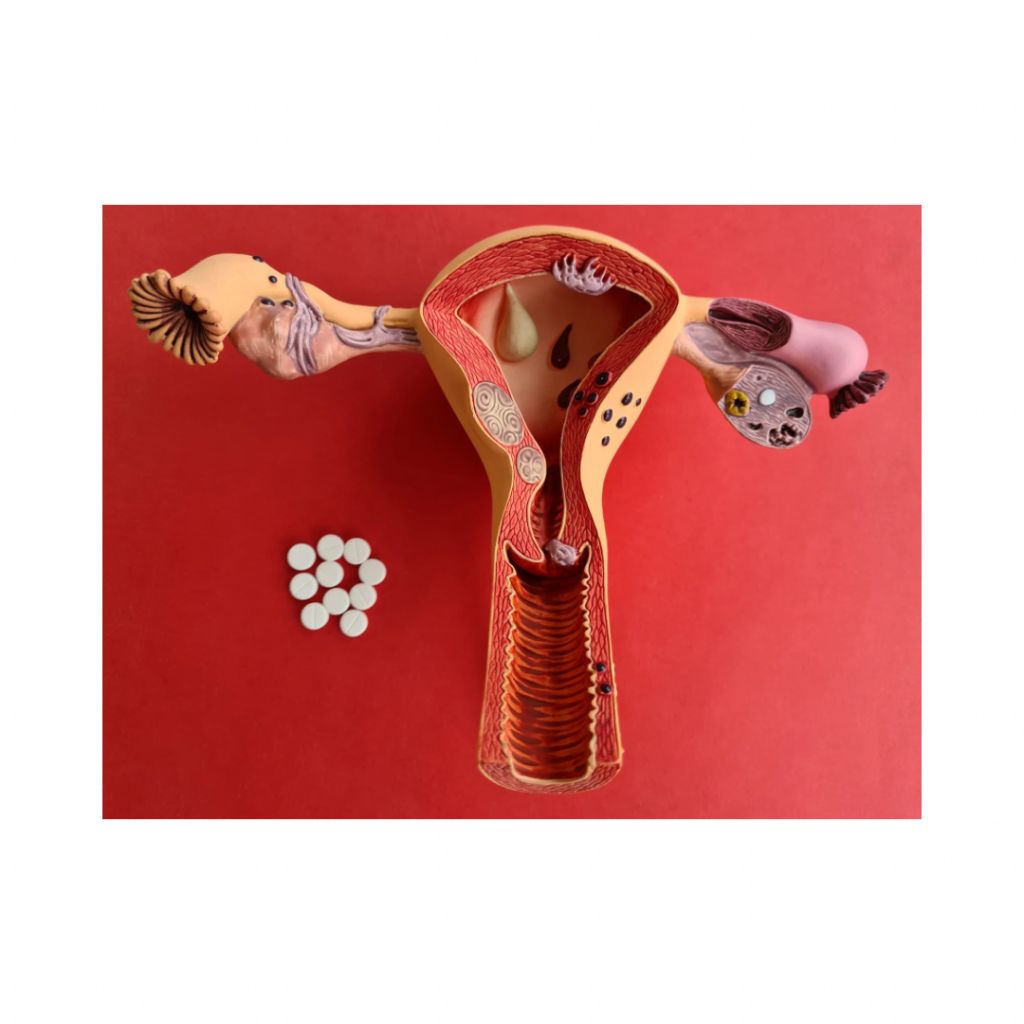
What Is Endometriosis?
Endometriosis occurs when tissue similar to the endometrium—the lining of the uterus—is found outside the uterus.
For additional patient-friendly information about endometriosis, symptoms, diagnosis and treatment, you can refer to the American College of Obstetricians and Gynecologists (ACOG) information on endometriosis
This tissue responds to hormonal changes during the menstrual cycle. Repeated inflammation can contribute to pelvic pain and, in some women, scar tissue or adhesions. Endometriosis may affect the ovaries, fallopian tubes, pelvic lining and, in some cases, areas involving the bowel or bladder.
The condition can vary considerably between women. Some have significant pain, while others have few or no symptoms. The severity of pain does not always correspond directly to how much endometriosis is present.
Endometriosis can also be relevant when evaluating infertility because inflammation, adhesions and changes involving the pelvic organs can interfere with fertility in some women.
Symptoms of Endometriosis
Symptoms can vary depending on where endometriosis is located.
Patients can also learn more about common symptoms and treatment approaches through the NHS endometriosis information page
Common symptoms include:
- Severe or worsening period pain
- Pelvic or lower abdominal pain
- Lower back pain associated with periods
- Pain during or after sexual intercourse
- Pain during bowel movements, particularly around menstruation
- Pain while passing urine, particularly around menstruation
- Heavy menstrual bleeding
- Persistent pelvic discomfort
- Fatigue
- Difficulty becoming pregnant
Some women may have endometriosis without obvious symptoms and may only be evaluated because of infertility or another gynecological concern.
When should you consult a gynecologist?
Consider a gynecological consultation if:
- Period pain regularly interferes with your normal activities
- Pain is becoming progressively worse
- Painkillers are no longer providing adequate relief
- You experience pain during intercourse
- You have bowel or bladder pain associated with your periods
- You have persistent pelvic pain
- You are having difficulty conceiving
- Previous treatment for painful periods has not helped
These symptoms can have several possible causes, including endometriosis, adenomyosis, fibroids and other pelvic conditions. An evaluation is important before assuming that endometriosis is the cause.
What Causes Endometriosis?
The exact cause of endometriosis is not fully understood.
Researchers have proposed several possible mechanisms, including menstrual tissue moving backwards through the fallopian tubes, genetic and immune factors and other biological mechanisms. There is no single confirmed cause that explains every case.
Some factors may increase the likelihood of developing endometriosis, including:
- A family history of endometriosis
- Beginning menstruation at a younger age
- Having painful periods
- Certain menstrual-cycle characteristics
- Having a close relative with the condition
Having one of these factors does not mean that you definitely have endometriosis.
How Is Endometriosis Diagnosed?
Diagnosis begins with a detailed discussion about your symptoms and menstrual history.
Diagnostic and treatment decisions should be individualized. The ESHRE Endometriosis Guideline provides evidence-based recommendations for the management of endometriosis.
Depending on your symptoms, your gynecologist may consider:
1. Medical history
Your doctor may ask about:
- When the pain started
- Whether pain occurs before, during or after periods
- Menstrual flow and cycle pattern
- Pain during intercourse
- Bowel or bladder symptoms
- Previous pregnancies and fertility concerns
- Previous treatments and investigations
- Family history of endometriosis
2. Clinical examination
A physical or pelvic examination may be recommended when clinically appropriate.
3. Ultrasound
Pelvic ultrasound may help identify ovarian endometriomas and other pelvic abnormalities. It can also help investigate alternative causes of pelvic pain.
A normal ultrasound does not necessarily exclude endometriosis, particularly when there are lesions that cannot be detected on routine imaging.
4. MRI or other imaging
MRI may be considered in selected situations, particularly when more detailed assessment is needed.
5. Laparoscopy

Laparoscopy is a minimally invasive surgical procedure that allows the pelvic organs to be directly examined. It can also allow endometriosis lesions or adhesions to be treated during the procedure when appropriate.
Current guidelines emphasize that the decision to perform diagnostic laparoscopy should be individualized rather than automatically required for every woman with suspected endometriosis.
Not every patient needs every investigation. The appropriate evaluation depends on symptoms, examination findings, fertility plans and clinical circumstances.
Endometriosis Treatment Options
There is no single treatment that is suitable for every woman with endometriosis.
Treatment is individualized according to factors such as:
- Your symptoms and severity
- Your age
- Whether you are trying to conceive
- Previous treatment
- Location and extent of suspected disease
- Presence of ovarian endometriomas or adhesions
- Your overall health
- Your personal treatment preferences
The main approaches include medical treatment, symptom management, fertility-focused care and surgery when appropriate.
Medical Management
When pain is the main concern, medication may be considered before surgery.
Depending on the individual situation, treatment may include:
- Appropriate pain-relieving medicines
- Hormonal treatments
- Progestin-based treatment
- Combined hormonal contraceptive options
- Other hormonal therapies in selected patients
Hormonal treatment can help control symptoms but generally does not physically remove existing endometriosis lesions. The choice of medication should take into account medical history, side effects and whether pregnancy is currently desired.
Lifestyle and Supportive Measures
Lifestyle measures do not remove endometriosis, but some women find supportive strategies useful alongside medical treatment.
These may include:
- Regular physical activity as tolerated
- Adequate sleep
- Heat application for pain relief
- Maintaining a balanced diet
- Stress-management strategies
- Appropriate support for persistent pain or fatigue
Lifestyle measures should complement—not replace—medical evaluation when symptoms are significant.
Endometriosis and Fertility
Endometriosis can sometimes affect fertility.
Pelvic inflammation, adhesions, ovarian involvement or changes around the fallopian tubes may contribute to difficulty becoming pregnant. However, having endometriosis does not mean that pregnancy is impossible.
If you are trying to conceive, treatment decisions should be different from those for someone whose primary concern is pain control.
The evaluation may consider:
- Your age
- How long you have been trying to conceive
- Ovulation
- Ovarian reserve when clinically indicated
- Fallopian-tube factors
- Semen parameters of the male partner
- Severity and location of suspected endometriosis
- Previous fertility treatment
The goal is to choose an approach that considers both symptom control and your reproductive plans.
When May Surgery Be Considered?
Surgery is not necessary for every woman with endometriosis.
It may be considered in selected situations, such as:
- Persistent or significant symptoms despite appropriate medical management
- An ovarian endometrioma requiring evaluation or treatment
- Significant adhesions or suspected advanced disease
- Certain anatomical problems affecting fertility
- Symptoms involving pelvic organs that require surgical assessment
- Situations where surgery is considered appropriate after discussing alternatives and risks
Laparoscopic surgery can allow the surgeon to assess the pelvis and, where appropriate, remove endometriosis lesions or treat adhesions.
The decision should be based on the woman’s symptoms, fertility goals, disease characteristics and the expected benefits and risks of surgery.
Endometriosis can recur after treatment, so surgery should not be presented as a guaranteed permanent cure. Long-term management may be required for some women.
My Clinical Approach to Endometriosis

My approach begins with listening carefully to the woman’s symptoms rather than treating a scan report alone.
During evaluation, I focus on:
- Understanding the pattern and impact of your pain
- Reviewing your menstrual and reproductive history
- Assessing fertility goals when relevant
- Considering other possible causes of pelvic pain
- Recommending investigations only when clinically appropriate
- Explaining available treatment choices clearly
- Discussing the potential benefits and limitations of medical and surgical options
- Considering fertility preservation and future pregnancy plans where relevant
- Making decisions together with the patient
With 15 years of experience in gynecology and obstetrics, my aim is to provide individualized, evidence-based care while avoiding unnecessary investigations or procedures.
Endometriosis Care for Women in Nellore and Nearby Towns
Women from Nellore and surrounding areas may seek evaluation for persistent period pain, pelvic pain, painful intercourse or fertility concerns.
Patients may travel from nearby towns such as Gudur, Kovur and Kavali when they need gynecological evaluation or ongoing treatment.
For a condition such as endometriosis, continuity of care can be particularly important because treatment may involve assessment, symptom management, fertility planning or follow-up after a procedure.
The focus should be on receiving appropriate evaluation and a treatment plan suited to your individual circumstances—not simply choosing a treatment based on symptoms alone.
What Can You Expect During Your Consultation?
Your consultation may include the following steps:
1. Discuss your symptoms
You can explain your period pain, pelvic symptoms, fertility concerns and how the symptoms affect your daily life.
2. Review your medical history
Previous treatments, surgeries, pregnancies, menstrual history and relevant medical conditions may be reviewed.
3. Examination or investigations when required
Depending on your symptoms, your doctor may recommend an examination, ultrasound or other investigation.
4. Understand the possible diagnosis
Your symptoms and investigation findings are considered together rather than relying on a single test.
5. Discuss treatment options
Medical treatment, observation, fertility-focused management or surgery may be discussed depending on your circumstances.
6. Create an individualized plan
The treatment plan should reflect your symptoms, health, fertility plans and preferences.
7. Follow-up
Follow-up may be recommended to assess symptom control, treatment response or recovery after a procedure.
Frequently Asked Questions About Endometriosis
Can severe period pain be a sign of endometriosis?
Yes. Severe period pain is one of the common symptoms of endometriosis, particularly when it interferes with normal activities. However, painful periods can have other causes, so evaluation is important rather than assuming endometriosis.
Can I have endometriosis if my ultrasound is normal?
Yes. Ultrasound can identify some findings associated with endometriosis, including certain ovarian endometriomas, but a normal ultrasound does not necessarily exclude the condition. Your symptoms and clinical assessment remain important.
Does endometriosis always cause infertility?
No. Endometriosis can be associated with difficulty conceiving, but many women with endometriosis can become pregnant. Fertility assessment should be individualized according to age, duration of trying and other fertility factors.
Do I need surgery if I have endometriosis?
Not necessarily. Treatment may involve medication and symptom management, while surgery is considered for selected patients depending on symptoms, disease characteristics and fertility goals.
Can endometriosis come back after surgery?
Yes. Endometriosis symptoms can recur after surgery, and some women may require ongoing medical or surgical management. The possibility of recurrence should be discussed before surgery.
Can endometriosis affect bowel movements or urination?
It can. Some women experience pain during bowel movements or urination, particularly around their periods, when endometriosis involves areas near the bowel or bladder.
Can I get pregnant naturally if I have endometriosis?
It is possible. Endometriosis does not automatically prevent natural pregnancy. However, if you have been trying to conceive without success, an appropriate fertility evaluation can help identify whether endometriosis or another factor is contributing.
Is hysterectomy always needed for endometriosis?
No. Hysterectomy is not a routine treatment for every woman with endometriosis. It may be discussed only in selected circumstances, particularly when severe symptoms persist despite other treatments and future pregnancy is not desired.
When Should You Seek Medical Advice?
Please consider a gynecological consultation if you have persistent or severe period pain, pelvic pain, pain during intercourse, bowel or bladder symptoms associated with menstruation, or difficulty becoming pregnant.
You should not assume that severe menstrual pain is simply “normal.” Several gynecological conditions can cause similar symptoms, and proper assessment helps determine the appropriate treatment.
Endometriosis Consultation in Nellore
If persistent period pain, pelvic pain or fertility concerns are affecting your quality of life, a personalized gynecological evaluation can help you understand the possible causes and treatment options.
Dr. Rohini’s Gynaec, Infertility and Maternity Clinic
Shine Hospital, Nellore, Andhra Pradesh
Call / WhatsApp: 9490880960
Individual treatment recommendations depend on your medical history, symptoms, examination and investigations. The information on this page is for education and does not replace an in-person medical consultation.